2026 Washington DC Walk4Hearing

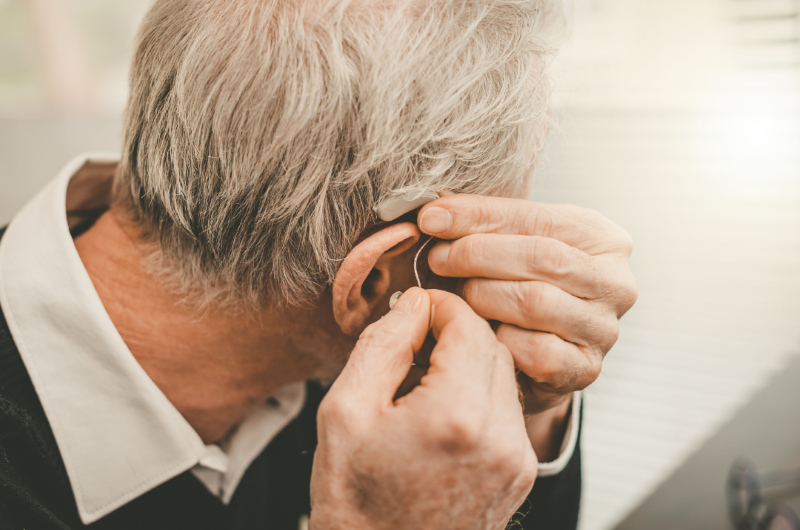
Many members of our community have told us the same thing: safer battery packaging for children is important, but should minimize the impact on usability for older adults. Some manufacturers have begun trying to address this issue.
At the American Academy of Audiology (AAA) convention in April, Energizer’s Rayovac brand showcased new hearing aid battery packaging designed to be “senior-friendly.” Although cutting is still required, the update shows that manufacturers and companies respond when customers speak up.
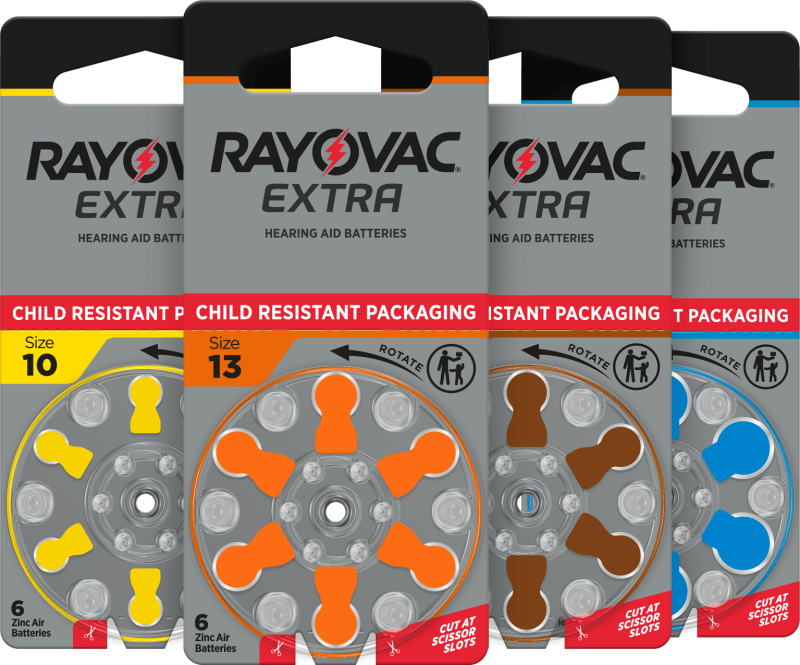
A selection of Rayovac’s redesigned, senior-friendly child resistant hearing aid battery packages. Image credit: Rayovac
Child-resistant packaging for zinc-air button cell hearing aid batteries became a requirement in March 2024. The goal was to prevent ingestion by children and to meet federal safety requirements from the Consumer Product Safety Commission under Reese’s Law.
A key provision in this law states: “battery compartments containing replaceable button cell or coin batteries must be secured such that they require the use of a tool or at least two independent and simultaneous hand movements to open.”
However, many hearing aid users, particularly older adults, people with arthritis, tremors, neuropathy, low vision or limited hand strength, struggle with battery packaging meeting those requirements.

Labeling shows how to open new, senior-friendly hearing aid battery packaging. Image credit: Rayovac
HLAA representatives who attended the AAA convention observed that Rayovac’s updated packaging includes:
That combination of safety, clarity and iteration suggests that industry is paying attention to real-life experience, not just compliance with checkboxes.
Tool-dependent packaging is not a small inconvenience for users with dexterity issues. It may:
The redesigned packaging from Rayovac is intended to address most of those issues. HLAA celebrates this advance as progress toward the goal of child-resistant packaging that doesn’t restrict access to people who need them for assistive devices. We look forward to seeing industry and regulators continue to work on this issue together.

By Neil Snyder, director of public policy for the Hearing Loss Association of America (HLAA). Neil’s background spans more than 20 years of federal advocacy for hearing health and a decade on Capitol Hill. He can be reached at advocacy@hearingloss.org.
Enjoyed this post? Never miss out on future posts by following us.
HLAA regularly hosts webinars on a variety of hearing wellness topics. View the upcoming schedule or watch a previous video.



If you or someone you know has a hearing loss, visit hearingloss.org for resources.
Find a local chapter or Walk4Hearing near you.
For questions, contact HLAA at inquiries@hearingloss.org.
A new law in Hawaii will lead to the development of a State Plan on Hearing Loss to address vital hearing healthcare needs and close service gaps.
Advocacy Chapters Hear This! Blog
Learn how to report missing, inaccurate or out of sync television captions with the Federal Communications Commission (FCC).
Accessible Communication Advocacy Hear This! Blog
Discover how Title III of the ADA ensures equal access and effective communication through assistive listening systems in places of public accommodation.
Accessible Communication Advocacy Hear This! Blog
Virginia’s new law requires movie theaters to offer open-captioned screenings, making cinema more accessible for viewers with hearing loss.
Advocacy Hear This! Blog
After delaying eight years to treat her hearing loss with a cochlear implant, Teri wishes she had done it sooner; read HLAA's third inspiring CI Day story.
Chapters Hear This! Blog Success Stories
Qais Khan is a passionate advocate for young adult cochlear implant recipients—read the second of HLAA's three inspiring stories for CI Day.
Advocacy Hear This! Blog Success Stories
Read about Doni, a young cochlear implant recipient, and his family in the first of three inspiring stories for International Cochlear Implant Day.
Hear This! Blog Success Stories
Flying for the holidays with hearing loss? Check out our 8 essential travel tips, advocate for your rights and learn a new way to file complaints.
Advocacy Hear This! Blog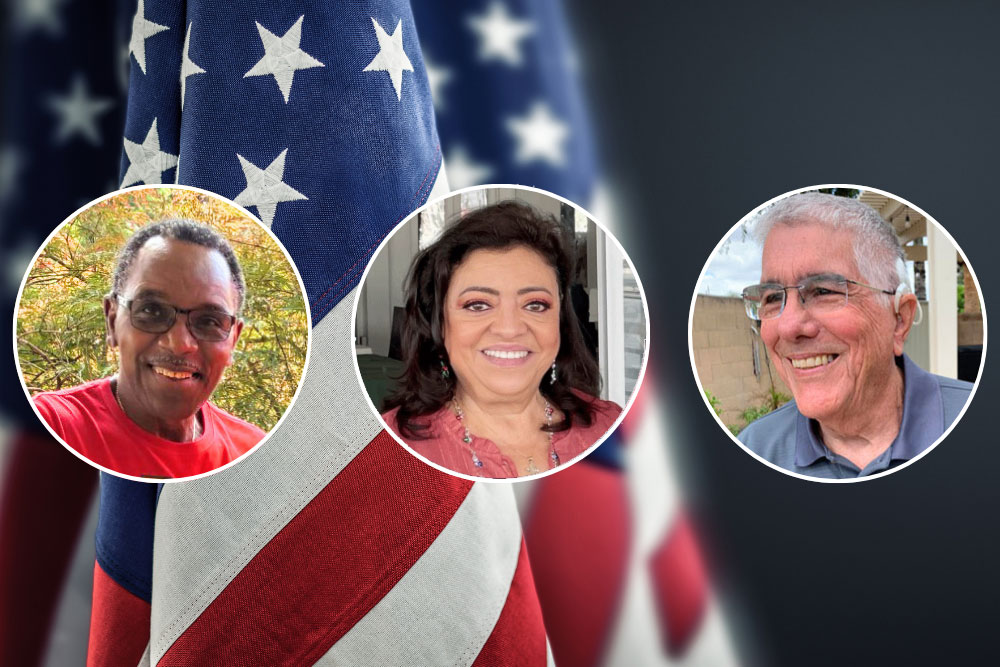
Read the inspiring stories—and advice—of three military veterans with service-connected hearing loss who are HLAA Chapter leaders.
Chapters Hear This! Blog Success Stories
Four members of the HLAA Task Force for Accessible, Inclusive Employment share career insights and workplace strategies for people with hearing loss.
Employment Hear This! Blog Technology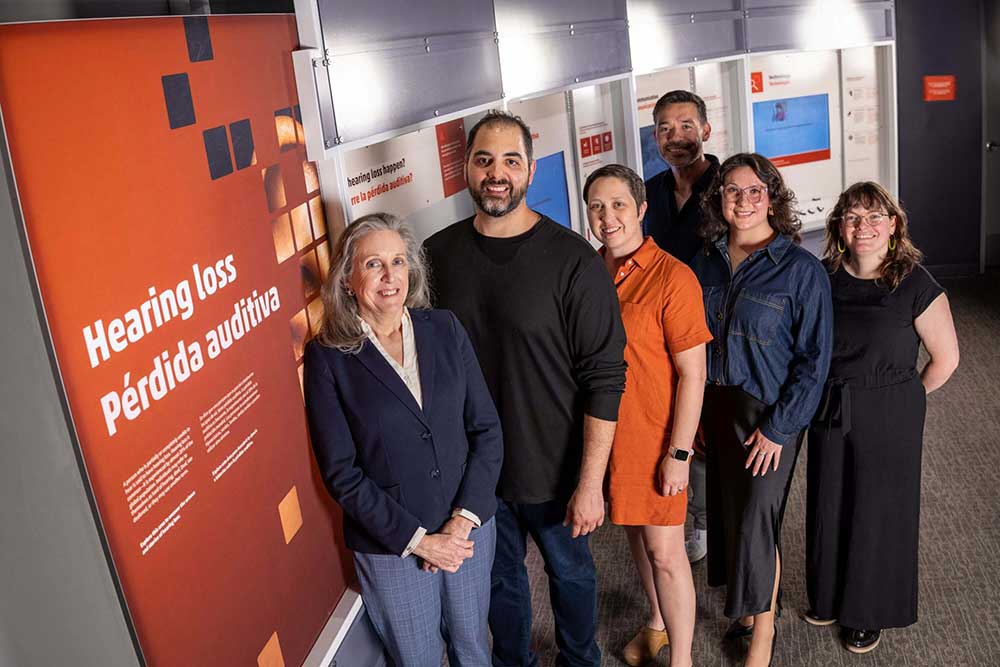
A groundbreaking exhibit on hearing loss at Boston's renowned Museum of Science was developed with involvement from a local HLAA Chapter.
Chapters Hear This! Blog Success Stories
Mobile phone makers have a new FCC deadline to implement Hearing Aid Compatibility (HAC) volume control standards to help people with hearing loss.
Advocacy Hear This! Blog Technology