Veterans Across America Virtual Chapter Meeting

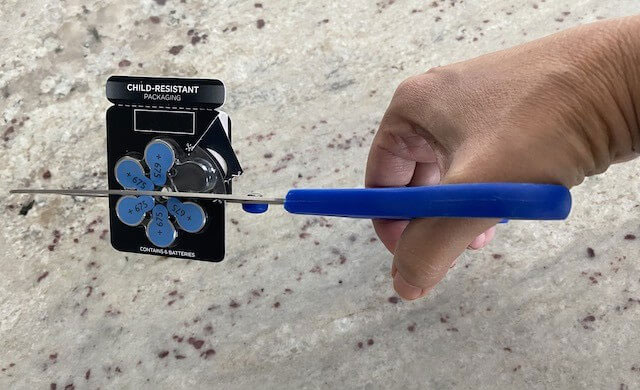
Since 2024, hearing aid battery packages have become difficult for users to open, often requiring sharp scissors, strength and dexterity. Although frustrating, there are some valid reasons for the changes—mostly related to safety, longevity and regulatory concerns, although disagreement remains about implementation and unintentional adverse effects.
The Hearing Loss Association of America (HLAA) represents millions of Americans with, and at risk of, hearing loss, and we’ve heard from many people negatively impacted by these new standards. It may help to understand what led to these protections.
Enacted by Congress in 2022, Reese’s Law mandates safety standards for consumer products containing small round flat batteries—often called “button cell” or “coin” batteries, used in various electronics such as remotes, toys and key fobs—to prevent accidental ingestion by children. It requires secure battery compartments, warning labels on both the product and packaging, and specific performance requirements to minimize the risk of children accessing or swallowing these batteries.
This legislation was advocated by the parents of an 18-month-old toddler in Lubbock, Texas, Reese Hamsmith, who tragically died six weeks after ingesting a button battery from a television remote. She did not survive following surgeries to remove the battery and repair the internal damage to her throat and esophagus caused by electrical burning.

After the new law was passed, hearing aid manufacturers switched to child-resistant battery packaging standards to comply. Some argue this is an over-correction since most hearing aid batteries are zinc-air and non-toxic, and many argue that more specification is needed in the new regulation.
Beyond child-resistance, there are other reasons for the intense packaging.
The packaging is often airtight or moisture-resistant to preserve the batteries’ shelf life. Zinc-air batteries, which are common in hearing aids, begin to lose power as soon as they’re exposed to air. So, the packaging must ensure they are sealed tightly until use.
To ensure safety and integrity, many battery packs are designed to show if they’ve been opened or tampered with. This means using durable, sometimes difficult-to-tear materials.
Manufacturers tend to use standardized packaging, even if the result is not the most user-friendly. The industry prioritizes safety and cost over ease of use in many cases.
Enjoyed this post? Never miss out on future posts by following us.
HLAA regularly hosts webinars on a variety of hearing wellness topics. View the upcoming schedule or watch a previous video.



If you or someone you know has a hearing loss, visit hearingloss.org for resources.
Find a local chapter or Walk4Hearing near you.
For questions, contact HLAA at inquiries@hearingloss.org.

Flying for the holidays with hearing loss? Check out our 8 essential travel tips, advocate for your rights and learn a new way to file complaints.
Advocacy Hear This! Blog
Read the inspiring stories—and advice—of three military veterans with service-connected hearing loss who are HLAA Chapter leaders.
Chapters Hear This! Blog Success Stories
Four members of the HLAA Task Force for Accessible, Inclusive Employment share career insights and workplace strategies for people with hearing loss.
Employment Hear This! Blog Technology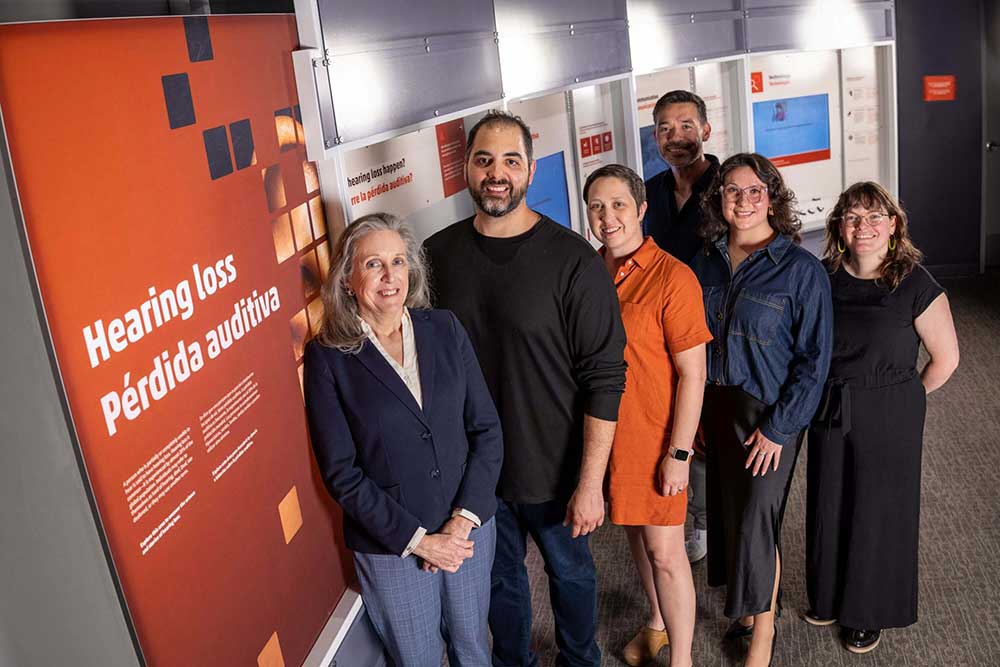
A groundbreaking exhibit on hearing loss at Boston's renowned Museum of Science was developed with involvement from a local HLAA Chapter.
Chapters Hear This! Blog Success Stories
Mobile phone makers have a new FCC deadline to implement Hearing Aid Compatibility (HAC) volume control standards to help people with hearing loss.
Advocacy Hear This! Blog Technology
Helpful back-to-school tips for parents of children with hearing loss from a pediatric audiologist and mom.
Advocacy Education Hear This! Blog
35 years after Americans with Disabilities Act (ADA) passed, the Hearing Loss Association of America (HLAA) is still fighting for access.
Accessible Communication Advocacy Hear This! Blog
A clinical psychologist explores the wide-ranging effects of hearing loss and how education and self-advocacy can help reduce its psychological impact.
Hear This! Blog Living Well
The Early Hearing Detection and Intervention (EHDI) program is in jeopardy from proposed federal budget cuts, putting our nation’s infants at risk. Learn more and take action.
Advocacy Chapters Hear This! Blog
An inspiring hearing health advocacy story and valuable tips on hospital stays with hearing loss by HLAA Board Member Elaine McCaffrey and her daughter, Claire.
Accessible Communication Hear This! Blog Success Stories
Learn about HLAA's federal advocacy priorities for 2025 and beyond in the midst of many changes in Washington, and how you can take action with our new tool.
Advocacy Hear This! Blog
A look at how the LA wildfires and other disasters impact people with hearing loss, how the HLAA community is responding, plus resources and emergency tips
Chapters Education Hear This! Blog