Back Get Involved

HLAA National Support Group for Parents of Children with Hearing Loss

15 April 2026 @ 8:00 pm ET - 9:00 pm ET HLAA National Support Group for Parents of Children with Hearing Loss Chapters Virtual Meetings Read Post
Home » Hearing Aids/Cochlear Implants

Celebrating International Cochlear Implant Day: What Took Me So Long?

Inspiring Cochlear Implant Stories

Every year on February 25, advocates for hearing health use International Cochlear Implant Day to celebrate the medical advances and technology that make cochlear implants (CIs) effective for people with severe or profound hearing loss.

Did You Know?

  • The first successful attempt to stimulate the auditory nerve of a deaf patient using a wire electrode took place in France on February 25, 1957. It was another three decades before CIs became commercially available in the mid-1980s.
  • More than one million CIs have been implanted worldwide, as of 2022. Of those, 118,000 adults and 65,000 children have received CIs in the United States (NIDCD).
  • This year, HLAA celebrates International CI Day 2026 with three stories from: Joel Dean and Jennie Antonakis, parents of Doni; Qais Khan, a young professional from the United Kingdom; and Teri Breier, a recent CI recipient on our staff.

Teri’s Story

By Teri Breier

I received a cochlear implant (CI) in March 2025, four decades after getting my first pair of hearing aids. It took me eight years after qualifying medically for a CI to take that leap at 60. Now, after nearly a year of dramatically improved hearing, communication and human connection through this life-changing technology, I wonder: why didn’t I do this sooner?

The simple answer is, I just wasn’t ready…until I was. After a lifetime of using increasingly powerful hearing aids in response to the slow creep of progressive hearing loss, I expected there would always be a more advanced option to help.

Hearing Loss in School
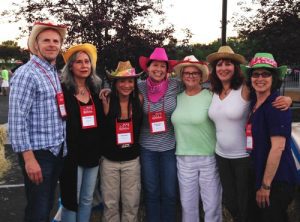
Group of seven HLAA members wearing cowboy hats at a convention

Teri (second from right) at her first HLAA Convention in 2017, enjoying Salt Lake City with a group of HLAA Los Angeles Chapter members, including several cochlear implant recipients.

I was diagnosed with mild sensorineural hearing loss at a school screening in first grade. It was 1971, before newborn hearing exams and the Education for All Handicapped Children Act (EHA) of 1975, which evolved into the Individuals with Disabilities Education Act (IDEA) in 1990. Aside from monitoring my condition, no intervention was prescribed by a doctor, and no one ever mentioned accommodations for students.

Throughout elementary, junior and high school, I instinctively sat near the front of the classroom so I wouldn’t miss anything. Although I did well academically, I increasingly struggled to understand my teachers and conversations with classmates. By age 16, my hearing loss had declined from mild to moderate—but at that age, I was not willing to be “the girl with the hearing aids.”

College and Career with Hearing Aids

As a freshman in college, despite the large lecture hall acoustics, I followed well enough to keep up my grades. But upon returning to Los Angeles that summer, my grandmother insisted that I finally get hearing aids. Thank goodness she did, because wearing them made a huge difference in my ability to learn, understand, communicate and connect with peers.

Teri and Toni at the Long Beach Walk4Hearing

Teri with Toni Barrient, HLAA southern California Chapter coordinator and president, HLAA Orange County Chapter, at the 2017 Long Beach Walk4Hearing. Toni was another person who influenced Teri’s decision to get a CI.

Nevertheless, I continued to hide my invisible disability from others, because of perceived shame and social stigma. I spent the first 30 years of my journalism, advertising and marketing career trying to blend in. I eventually left the corporate world and went into business for myself as a freelance copywriting consultant.

As my hearing loss worsened over time, it became harder to bluff my way through work, life and, eventually, my beloved hobby as a choral singer. Often, I felt deeply embarrassed when I misunderstood someone or sang out of tune, so I found myself quitting choir, pulling back from social interactions and isolating more.

The Support and Influence of HLAA

By the time I discovered the Hearing Loss Association of America (HLAA) in 2015, I had done extensive inner healing work, gained confidence and was ready to “own” my hearing loss more openly. I soon became involved in leadership of two consecutive HLAA Chapters and made new friends with cochlear implants who encouraged me. Almost without exception, they said it was the best decision they had ever made.
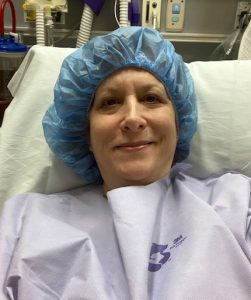
Teri in a hospital gown and cap

Teri prepped for her outpatient cochlear implant surgery.

I began the CI medical qualification process in 2017, but didn’t proceed at that time. I was still “getting by” and scared to lose my remaining residual hearing and enjoyment of music, among other fears. I didn’t know if I could maintain my business during the long downtime needed for recovery and aural rehabilitation. Meanwhile, I continued to be active in HLAA, attending some of the annual conventions and volunteering for the Long Beach Walk4Hearing.

In 2023, I joined the staff of HLAA, which has, gratefully, allowed me to make a meaningful difference for other people with hearing loss around the country. Collaborating on a daily basis with colleagues who wear CIs motivated me to take action and stop missing out on life.

My First Year with a Cochlear Implant

Luckily, I was able to understand speech from the first moment of my CI “Activation Day” in April 2025—even though every sound and syllable was overlaid by annoying robotic whistles and echoes, as my brain attempted to make sense of these new digital signals. With consistent aural rehabilitation practices, those noises disappeared after three months.
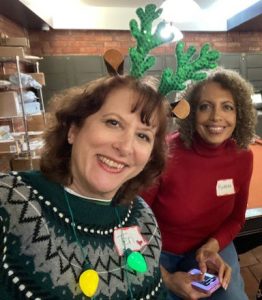
Teri and Ramona at a holiday party

Teri with fellow HLAA Los Angeles Chapter member and recent CI recipient Ramona Lee at the 2025 holiday party.

Since then, I’ve picked up high frequencies that I haven’t had access to since my 20s. I’m enjoying (and sometimes getting annoyed by) the sound of birds again on a daily basis. I can now understand songs and commercials on the car radio and talk on the phone without captions. Just this week, I was elected to serve as president of the HLAA Los Angeles Chapter—the next step on my hearing health journey! It feels like a whole new world is open to me now. Best of all, I finally feel like my old self, actively participating in conversations, relationships and daily life.

For now, I remain bimodal (that is, I use a hearing aid in one ear and my CI in the other). But I am considering when to get a second CI. Every day, I am so grateful for my cochlear implant, and especially for my role models in HLAA who showed me what is possible.
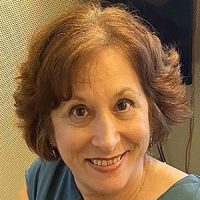

Teri Breier headshot

Teri Breier is the communications specialist for the Hearing Loss Association of America (HLAA) and president of the HLAA Los Angeles Chapter. She can be reached at tbreier@hearingloss.org.


Get the latest news and updates from HLAA

This field is for validation purposes and should be left unchanged.
First Name(Required)

HearingU Webinars

HLAA regularly hosts webinars on a variety of hearing wellness topics. View the upcoming schedule or watch a previous video.

Watch a Webinar


Follow HLAA on our social channels


If you or someone you know has a hearing loss, visit hearingloss.org for resources.

Find a local chapter or Walk4Hearing near you.

For questions, contact HLAA at inquiries@hearingloss.org.
Home » Hearing Aids/Cochlear Implants

Celebrating International Cochlear Implant Day: Becoming a Voice for Young Adults

Inspiring Cochlear Implant Stories

Every year on February 25, advocates for hearing health use International Cochlear Implant Day to celebrate the medical advances and technology that make cochlear implants (CIs) effective for people with severe or profound hearing loss.

Did You Know?

  • The first successful attempt to stimulate the auditory nerve of a deaf patient using a wire electrode took place in France on February 25, 1957. It was another three decades before CIs became commercially available in the mid-1980s.
  • More than one million CIs have been implanted worldwide, as of 2022. Of those, 118,000 adults and 65,000 children have received CIs in the United States (NIDCD).
  • This year, HLAA celebrates International CI Day 2026 with three stories from: Joel Dean and Jennie Antonakis, parents of Doni; Qais Khan, a young professional from the United Kingdom; and Teri Breier, a recent CI recipient on our staff.

Qais’s Story

By Qais Khan
I was born profoundly deaf into a hearing family. My diagnosis came as a shock and turned my family’s world upside-down in many ways. Everything was new and unfamiliar, but my parents were determined to learn, adapt and make sure I had the support I needed from the very beginning. I first switched on my cochlear implant at the age of three and a half, which was essential to my communication and educational access as I grew up.

Being deaf has brought many challenges and obstacles into my life. During secondary school and college, I struggled with my mental health. I had low self-esteem and very little confidence. My communication skills were poor, and I had no real friends. What’s more, some teachers and professionals had low expectations of what I could achieve. It was generally felt that my prospects weren’t good and I wouldn’t do well in exams. Pursuing a university education and following my chosen career path didn’t seem possible.

Overcoming the Obstacles

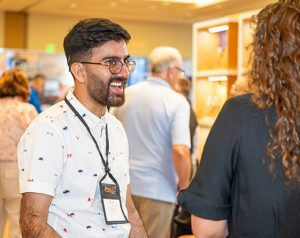
Qais Khan at the HLAA 2024 Convention in Phoenix

Qais at the HLAA 2024 Convention exhibit hall in Phoenix.

With the unwavering support and encouragement of my parents, charities and hearing health professionals, I have managed to prove them all wrong. I passed my exams with excellent grades, progressed through college and successfully graduated with a degree. Getting my degree remains one of my proudest moments, not just academically, but personally. It represented years of perseverance, resilience and quiet determination to prove that deafness does not limit potential or ambition.

Stepping into the world of work brought its own challenges, especially during the pandemic, when everything felt uncertain and time was suspended. What I didn’t expect was that this period would lead me towards advocacy.

I got involved with the Cochlear Implant International Community of Action (CIICA), where I could combine my lived experience with creative and meaningful work, collaborating with hearing health experts and professionals to offer solutions for people with hearing loss. As a board member and coordinator for young adults with cochlear implants, I’ve been able to contribute to strategic initiatives and support online events to discuss the challenges they face between the ages of 18 and 35.

Finding and Sharing My Voice

Qais Khan with five young adult cochlear implant ambassadors

Qais with a group of Cochlear Implant International Community of Action (CIICA) young adult ambassadors.

As a child, my spoken voice wasn’t easy to understand, but today, I’m speaking at global events sponsored by the United Nations (UN), the World Health Organization (WHO), the U.K. Parliament and other international entities. Along the way, I’ve been able to support conversations, share stories and help create spaces where young adults with cochlear implants feel seen, heard and understood.

My cochlear implant has played a huge role in my journey. It hasn’t removed every barrier, but it has given me access, independence and the confidence to stand tall in educational, professional and advocacy spaces. Most importantly, it has helped me find my voice.

Despite all the barriers I’ve faced, I’m proud of how far I’ve come. I’ve learned that progress isn’t about perfection, it’s about showing up, even on the hard days. Disabilities do not define who we are. With the right support, belief and determination, anyone can achieve their dreams. I hope my story reminds others of that, too.


Headshot of Qais Khan

Qais Khan, 29, is a designer, public speaker and disability rights advocate with bilateral cochlear implants in Nottingham, England, U.K. He serves as the young adult coordinator on the board of the Cochlear Implant International Community of Action (CIICA). Visit his website, Connect with Qais.


Get the latest news and updates from HLAA

This field is for validation purposes and should be left unchanged.
First Name(Required)

HearingU Webinars

HLAA regularly hosts webinars on a variety of hearing wellness topics. View the upcoming schedule or watch a previous video.

Watch a Webinar


Follow HLAA on our social channels


If you or someone you know has a hearing loss, visit hearingloss.org for resources.

Find a local chapter or Walk4Hearing near you.

For questions, contact HLAA at inquiries@hearingloss.org.

Home » Hearing Aids/Cochlear Implants

Celebrating International Cochlear Implant Day: How Doni Found Light in the Journey

Inspiring Cochlear Implant Stories

Every year on February 25, advocates for hearing health use International Cochlear Implant Day to celebrate the medical advances and technology that make cochlear implants (CIs) effective for people with severe or profound hearing loss.

Did You Know?

  • The first successful attempt to stimulate the auditory nerve of a deaf patient using a wire electrode took place in France on February 25, 1957. It was another three decades before CIs became commercially available in the mid-1980s.
  • More than one million CIs have been implanted worldwide, as of 2022. Of those, 118,000 adults and 65,000 children have received CIs in the United States (NIDCD).
  • This year, HLAA celebrates International CI Day 2026 with three stories from: Joel Dean and Jennie Antonakis, parents of Doni; Qais Khan, a young professional from the United Kingdom; and Teri Breier, a recent CI recipient on our staff.
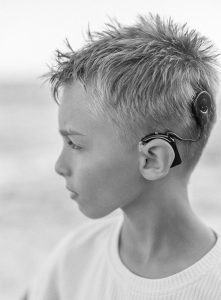
Black and white photo of a young boy in profile wearing a cochlear implant

Doni, 8, shows off his cochlear implant.

Doni’s Story

By Joel Dean and Jennie Antonakis

Doni came into this world as a beautiful, healthy baby boy after a routine pregnancy. When he failed his newborn hearing screening on the left side, the doctors reassured us it was nothing to worry about. “C-section babies always have fluid in their ears,” they said.

A month later, the hospital tested his hearing again and passed him. We trusted the results, but deep down, something felt off. We now believe it was a false pass.

The Years of Not Knowing

What followed were years of searching for answers we didn’t know we needed. Doni was colicky and suffered from constant ear infections and stuffiness. We made countless visits to ENT specialists, ultimately having ear tube surgery at nine months and adenoid removal surgery at age three—yet not a single doctor diagnosed what was really happening.

I thought maybe it was ADHD or he had trouble focusing, but I couldn’t shake the feeling that we were missing something bigger. We moved to a new town and when Doni had a routine physical with a new doctor at age five, we finally heard: “During the hearing test, I turned the volume all the way up on the left side and he never raised his hand. You need to get to an audiologist right away.” Only a week later we saw the words “profoundly deaf” on paper.

The diagnosis felt like a punch to the gut. We had been leaned-in, attentive parents. How could we have missed this? How could everyone have missed this? We reached back out to teachers, friends and family, and every person replied that hearing loss never crossed their mind.

From Fear to Purpose

For a while, the shock turned into fear. Fear of the unknown. Fear of what challenges lay ahead. Fear that we wouldn’t know how to support him the way he deserved.

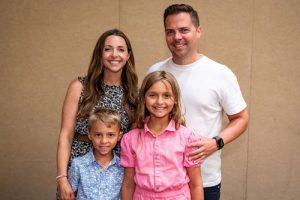
A family of four smiling indoors

Doni and his family at the HLAA 2024 Convention in Phoenix.

Then Jennie (Doni’s mom) decided to channel that fear into something meaningful. She joined the Hearing Loss Association of America (HLAA) Board of Directors as the first-ever parent of a child with hearing loss. The board welcomed Jennie with open arms, eager to hear her perspective and help other parents who are navigating similar journeys.

Through HLAA, Jennie and Doni were introduced to a community of wonderful, successful people living with hearing loss. This community taught us so much about resilience, advocacy and hope. Doni received a cochlear implant at age six and now has mentors he can call when he needs support—and so does our family.

Choosing Positivity and Light

Young boy smiling while dribbling a basketball

Doni enjoys playing all types of sports.

Doni struggles every day, but we choose positivity and light. We count our blessings for the health we have otherwise, and we focus on what Doni can do—which, as it turns out, is everything. Doni is a resilient and fearless little guy who is knows that hearing loss doesn’t define his limits. While a lot of things come with added challenges, watching him power through it all has shown us just how resilient he truly is. He’s also incredibly compassionate. Doni really cares about helping other children with hearing loss and cochlear implants. We keep an Instagram profile (@andonismason) where he shares his experiences and journey, hoping to connect with others and let them know they’re not alone. We’ve had so many amazing messages with strangers who have turned into supportive friends through social media.

Whether you’re a parent just receiving your child’s diagnosis, a young person navigating school with hearing loss or an adult looking for connection, we want you to know: you are not alone.

Doni is currently working on his first book on hearing loss to share with the world. Maybe one day you’ll see him on the field as a professional athlete. After all, he’s already proving that nothing can stop him.


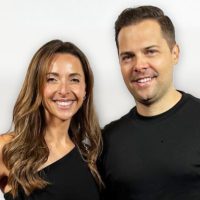
Jennie and Joel Dean

Jennie Antonakis is the global enterprise lead at Amazon Ads and a past member of the HLAA Board of Directors. Joel Dean is the founder and CCO of JDM Music + Sound. The family lives in the greater Los Angeles, CA, area. 


Get the latest news and updates from HLAA

This field is for validation purposes and should be left unchanged.
First Name(Required)

HearingU Webinars

HLAA regularly hosts webinars on a variety of hearing wellness topics. View the upcoming schedule or watch a previous video.

Watch a Webinar


Follow HLAA on our social channels


If you or someone you know has a hearing loss, visit hearingloss.org for resources.

Find a local chapter or Walk4Hearing near you.

For questions, contact HLAA at inquiries@hearingloss.org.

Home » Hearing Aids/Cochlear Implants

New Volume Control Standards for Hearing Aid Compatible Cellphones are Coming

By HLAA Director of Public Policy Neil Snyder

The Federal Communications Commission (FCC) has just announced a new deadline for Hearing Aid Compatibility (HAC) volume control standards for mobile phones to come within two years. This is a long-awaited, but important, technical standard for cellphone manufacturers and hearing aid users. The Hearing Loss Association of America (HLAA)—the leading voice for millions with, and at risk of, hearing loss—spearheaded a group of accessibility organizations to push for the new standards. Here’s what this means for consumers.

The 50-Year Campaign for HAC and Why it’s Important

For people who use hearing aids or cochlear implants, finding a phone that connects easily has historically been a challenge. That’s why HLAA fought for decades to ensure all phones meet basic HAC standards, so they work for all people with hearing loss. Learn more about HLAA’s push for HAC here.

Why Volume Control Matters

Volume control is not just a convenience but a lifeline for millions of Americans with hearing loss. Whether someone uses a hearing aid or just needs louder, clearer audio, accessible volume control can be a key component to communicating effectively and independently.

The FCC’s rules require all wireless phones to be HAC, but the current technical standard for volume control has proven difficult to implement, and manufacturers needed more time to catch up. Developing the new rules has been a sticking point as technology continues to advance. HLAA stepped in to ensure consumers were protected and delays didn’t continue indefinitely.

Recent FCC Action

To prevent disruption, the FCC extended the temporary volume control standard for two more years. This allows mobile phone makers to keep certifying devices using the current method while everyone works toward fully implementing the new system.

HLAA’s Important Advocacy

HLAA played a key role in urging the FCC to extend the temporary standard because people with hearing loss shouldn’t lose access to phones they rely on every day. By granting the extension, regulators recognized the importance of keeping communication accessible while the industry transitions to stronger rules.

HLAA and the other accessibility organizations also urged the FCC to require regular progress reports for transparency, and to limit the extension to two years.

What’s Next?

The new standard is expected by 2027, paving the way for stronger, more consistent volume control requirements. HLAA will stay involved to ensure that the updated rules meet the needs of people with hearing loss. This is a win for accessibility, but continued advocacy is needed to make sure consumers are protected and further delays are avoided.

Why It Matters

Cellphones are more than just devices—they’re how we stay in touch with family, connect to work and participate in everyday life. HLAA is committed to ensuring that technology keeps people with hearing loss connected, not left behind.

Stay informed by keeping in touch with HLAA—see all of our current advocacy efforts here, and make sure you’re signed up to receive the latest e-news.


Neil Snyder

This article was written by Neil Snyder, director of public policy, Hearing Loss Association of America (HLAA). He can be reached with questions at advocacy@hearingloss.org.


Enjoyed this post? Never miss out on future posts by following us.


Get the latest news and updates from HLAA

This field is for validation purposes and should be left unchanged.
First Name(Required)

HearingU Webinars

HLAA regularly hosts webinars on a variety of hearing wellness topics. View the upcoming schedule or watch a previous video.

Watch a Webinar


Follow HLAA on our social channels


If you or someone you know has a hearing loss, visit hearingloss.org for resources.

Find a local chapter or Walk4Hearing near you.

For questions, contact HLAA at inquiries@hearingloss.org.
Home » Hearing Aids/Cochlear Implants

Hearing Aid Battery Packaging—What You Should Know

Legislation to Protect Children Has Had Some Unintended Results

Since 2024, hearing aid battery packages have become difficult for users to open, often requiring sharp scissors, strength and dexterity. Although frustrating, there are some valid reasons for the changes—mostly related to safety, longevity and regulatory concerns, although disagreement remains about implementation and unintentional adverse effects.

The Hearing Loss Association of America (HLAA) represents millions of Americans with, and at risk of, hearing loss, and we’ve heard from many people negatively impacted by these new standards. It may help to understand what led to these protections.

Tragedy Leads to Child Safety Regulations

Enacted by Congress in 2022, Reese’s Law mandates safety standards for consumer products containing small round flat batteries—often called “button cell”  or “coin” batteries, used in various electronics such as remotes, toys and key fobs—to prevent accidental ingestion by children. It requires secure battery compartments, warning labels on both the product and packaging, and specific performance requirements to minimize the risk of children accessing or swallowing these batteries.

This legislation was advocated by the parents of an 18-month-old toddler in Lubbock, Texas, Reese Hamsmith, who tragically died six weeks after ingesting a button battery from a television remote. She did not survive following surgeries to remove the battery and repair the internal damage to her throat and esophagus caused by electrical burning.

Display of cutting and opening a hearing aid battery package using scissors.

After the new law was passed, hearing aid manufacturers switched to child-resistant battery packaging standards to comply. Some argue this is an over-correction since most hearing aid batteries are zinc-air and non-toxic, and many argue that more specification is needed in the new regulation.

Beyond child-resistance, there are other reasons for the intense packaging.

Battery Preservation

The packaging is often airtight or moisture-resistant to preserve the batteries’ shelf life. Zinc-air batteries, which are common in hearing aids, begin to lose power as soon as they’re exposed to air. So, the packaging must ensure they are sealed tightly until use.

Tamper Evidence

To ensure safety and integrity, many battery packs are designed to show if they’ve been opened or tampered with. This means using durable, sometimes difficult-to-tear materials.

Cost and Standardization

Manufacturers tend to use standardized packaging, even if the result is not the most user-friendly. The industry prioritizes safety and cost over ease of use in many cases.

What Can You Do?

Hearing Aid Battery Packaging Tips
  • Experts generally recommend scissors or heavy-duty shears to cut through the plastic on either side of the battery (“pie slice” cuts to center for easier access).
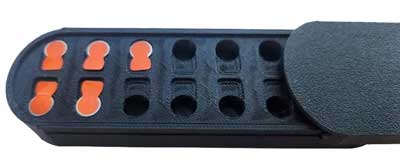
  • DO NOT collect unused batteries in a pouch or bag, as they will discharge upon contact with each other and exposure to air. Use older dispensers or purchase a battery caddy to keep them separate.
    A hearing aid battery case to store batteries.
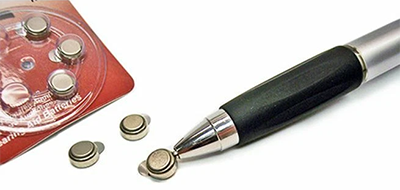
  • Tools like magnetic battery pens can make removing and placing batteries easier, especially for people with arthritis or reduced hand strength.
    Magnetic pen pulling out a hearing aid battery from package.
  • Consider updating to rechargeable hearing aids when it’s time to replace your current devices.

This blog was originally posted with a link to the organization that has taken action to ensure children remain safe from battery ingestion. We apologize for any inappropriate negative correspondence that this prompted to the organization. HLAA remains committed to not only hearing health, but to the safety of children as well. We support the good work done on behalf of Reese’s Law by various organizations to ensure that all needs are met.


Enjoyed this post? Never miss out on future posts by following us.


Get the latest news and updates from HLAA

This field is for validation purposes and should be left unchanged.
First Name(Required)

HearingU Webinars

HLAA regularly hosts webinars on a variety of hearing wellness topics. View the upcoming schedule or watch a previous video.

Watch a Webinar


Follow HLAA on our social channels


If you or someone you know has a hearing loss, visit hearingloss.org for resources.

Find a local chapter or Walk4Hearing near you.

For questions, contact HLAA at inquiries@hearingloss.org.
Home » Hearing Aids/Cochlear Implants

Critical Infant Hearing Screening at Risk from Budget Cuts

Before 1993, fewer than one in 10 newborns in the United States were screened for hearing loss. By 2025, thanks to decades of advocacy and public health efforts, an estimated 98% of all newborns receive this critical screening. Today, this hard-fought success is in jeopardy from proposed dramatic federal budget cuts, putting our nation’s infants again at risk.

Advocating for Newborn Screening

This public health success story began in the 1990s, when the Hearing Loss Association of America (HLAA) and other advocacy organizations championed the passage of the Early Hearing Detection and Intervention (EHDI) Act, which became law under the Children’s Health Act of 2000. Since then, the EHDI Act has been updated several times, most recently in 2022, when Congress reauthorized annual funding for both Centers for Disease Control (CDC – $10.7 million) and Health Resources and Services Administration (HRSA – $17.8 million) through 2027.

“Passing the EHDI law was a huge success for HLAA and its advocacy partners,” said Barbara Kelley, Executive Director of HLAA, the leading voice for the growing number of Americans with hearing loss. “It means that parents know before they leave the hospital whether their newborn’s hearing is functioning properly, and if not, take immediate action to provide early intervention for their child.”

Why This Matters

One in 500 babies are born with hearing loss or develop it in early childhood, which ranks among the most common congenital conditions. With hearing loss numbers rising, early detection and intervention is critical to ensuring that children meet speech, language, social and emotional development milestones.

Statistics about infants, children and teens with hearing loss, from HLAA Hearing Loss by the Numbers webpage.

98% of U.S. newborns get their hearing screened each year, thanks to the Early Hearing Detection and Intervention (EHDI) Act of 2000, for which HLAA advocated.

The EHDI story is held in high regard by many HLAA members from the organization’s nationwide network of support. Many are now in their 50s and 60s—born before that legislation passed—and did not get diagnosed with hearing loss until later in childhood or even as young adults. Pre-EHDI anecdotes abound about delayed intervention. Most say the lack of early diagnosis caused lifelong issues, including delayed speech, academic challenges and trouble making friends. Had their families been alerted earlier of their hearing loss, timely treatment and accessibility might have given them more confidence, equipment and support services, potentially changing their lives’ trajectories.

For instance, one person on our national staff was diagnosed with genetic bilateral hearing loss at age seven, yet didn’t receive hearing aids until her sophomore year of college, after struggling to hear in class and connect with peers all through her schooling. With the benefit of EHDI, her family likely would have learned about her hearing loss and treatment options much sooner.

Since its passage, EHDI has helped states dramatically improve newborn hearing screening rates—from just 46.5% of infants before the program to nearly 98% today. Between 2018 and 2022 alone, more than 320,000 children received diagnostic services after failing initial screenings, and more than 19,000 children were enrolled in early intervention.

EHDI Supports State Programs and Research

Close up of a child wearing a hearing aid

The EHDI program accomplishes three key objectives:

  1. Supports state data systems: Directs the CDC to fund and assist states in developing and maintaining data systems to evaluate progress, inform research and policy, and identify gaps in follow-up services.
  2. Provides state grants: Funds the HRSA to award grants that help states implement and improve EHDI services through technical assistance.
  3. Encourages research: Promotes hearing research at the National Institutes of Health (NIH) through projects supported by the National Institute on Deafness and Other Communication Disorders (NIDCD).

This progress—decades in the making—is now in jeopardy.

State Programs Will Suffer Without Funds

Recent federal budget proposals would eliminate all HRSA grant funding that supports newborn hearing screening programs. Without this funding, many states may be forced to scale back or discontinue their screening services entirely. Our country would be returning to a patchwork of protection for infant screenings, depending on where they are born and potentially burdening families with additional costs.

In addition, a recent reorganization within the Department of Health and Human Services (HHS) has eliminated CDC’s role in data collection and program assessment—functions that are essential to the success of early hearing detection and intervention efforts at the state level.

Take Action

HLAA, a staunch advocate for the rights of all people with hearing loss, is mobilizing our nationwide network to protect this critical program, and we need your help. Tell Congress to preserve funding for the EHDI program and protect the future of newborn hearing screening nationwide.

For more information or questions, contact:
Neil Snyder, Director of Public Policy, HLAA nsnyder@hearingloss.org


Neil Snyder

By Neil Snyder, director of public policy, Hearing Loss Association of America (HLAA)


Enjoyed this post? Never miss out on future posts by following us.


Get the latest news and updates from HLAA

This field is for validation purposes and should be left unchanged.
First Name(Required)

HearingU Webinars

HLAA regularly hosts webinars on a variety of hearing wellness topics. View the upcoming schedule or watch a previous video.

Watch a Webinar


Follow HLAA on our social channels


If you or someone you know has a hearing loss, visit hearingloss.org for resources.

Find a local chapter or Walk4Hearing near you.

For questions, contact HLAA at inquiries@hearingloss.org.

Home » Hearing Aids/Cochlear Implants

My Journey from Caregiver to Patient to Advocate

I have hearing loss. This is the story of how I became a hearing advocate. My interest in the critical importance of effective communication in health care began in 2010, when I supported my hearing husband, John, through many arduous, painful months of cancer treatment. As John’s primary companion, I worked with him to understand his treatment options, progress and setbacks. We were a good team, as he often repeated what the doctors were saying, and filled in the things I didn’t hear.

Claire and Elaine McCaffrey taking an outdoor pictureWhen John was unable to speak and explain to me what the doctors were saying, I was unable to step in and be his voice. At these critical times our daughter, Claire, was with us as our hearing advocate translating what the doctors said, so I could stay involved with John’s care. Her help was imperative, and at the time, it seemed our only option.

Over the next few years, thanks to the Hearing Loss Association of America (HLAA), John and I both learned how to self-advocate using strategies and new technologies. Our communication teamwork was crucial as John developed hearing loss due to the chemo drugs and battled additional illnesses, including esophageal cancer that eventually took his life in January of 2022.

Knowing Your Rights

In 2010, I was not aware that the Americans with Disabilities Act (ADA) and the Affordable Care Act (ACA) mandate accommodations for effective communication for people with hearing loss, like me. That means that it’s up to the patient which reasonable accommodation works for them. For some, it’s an American Sign Language (ASL) interpreter, for others, it could be captions or a hearing loop assistive listening system that delivers audio directly into a hearing aid or cochlear implant (CI), like I have. For my husband and me, at the most critical time, our “accommodation” was our daughter. But I wondered what someone without access to this extra support would do.

Getting Involved, Learning to Advocate

In 2011, I started regularly attending the Hearing Loss Association of America (HLAA) Chicago North Shore Chapter meetings and a hearing support group. I learned from my new HLAA community the benefits of using hearing technologies and strategies, and the critical importance of advocating for my needs.

Hearing loss sign clipped to a hospital pillowIn 2014, I joined a group of HLAA Chapter members to listen to people who had distressing experiences in hospital settings. The next year, our chapter hosted a program with four Chicago-area hospital representatives who sat on a panel and told our audience what accommodations their hospital had for people with hearing loss. Turns out, they only had one—ASL interpreters. That works for only a small fraction of people with hearing loss that know ASL, and by law, the facilities should provide additional accessible communication options for patients who need them.

This HLAA event in October 2015 was the catalyst for an annual Hospital Safety Program that lasted for the next seven years, educating hospital staff about the needs of the hearing loss community. At these meetings, both John and I learned to become a hearing advocate for ourselves, and others too.

Plan Ahead for Hospital Stays

As a hearing advocate, I am acutely aware that the safety of people with hearing loss in hospitals and medical settings are at risk if they don’t advocate for themselves. Patients must tell the speaker they have hearing loss and quickly educate them about their communication needs. It means coming out of your comfort zone and speaking up about your needs—something many of us with hearing loss spend years avoiding. In a medical setting, you can’t avoid or bluff. Not hearing or understanding a diagnosis or medical instructions could be dangerous.

On May 1, 2024, I was scheduled for spinal surgery at a top hospital in Chicago. Because this hospital consistently sent a representative to the HLAA Hospital Safety Panel, I already knew of many of their available accommodations. I learned firsthand that as a patient with hearing loss, it’s critical to plan ahead.

I took several steps that made a difference:

  • I called the hospital the week before my surgery and requested a live captioner—Communication Access Realtime Translation (CART)—during my stay.
  • After registering on the hospital’s portal, I completed their questionnaire, which offered accommodations for patients with various disabilities. I checked the box that I read lips and wear both a cochlear implant (CI) and a hearing aid.
  • I noted that my daughter Claire would once again be my advocate.
  • I met with the neurosurgeon and explained that Claire needed to be with me as soon as possible after surgery.

A medical patient holding their hands with a health care professional from their bed.When I got out of surgery, I was deaf and disoriented. As planned, the doctor summoned Claire, who stepped in and took charge. The nurse did not know how to attach the CI to my head or put in my hearing aid, so Claire was invaluable. I was flat on my back, making it impossible to see the captions from the CART provider.

Over the six nights I spent in the hospital, Claire was able to sleep in my room. She was on duty 24/7, helping me and looking out for my hearing needs. This was key to my successful care and recovery, along with our advanced planning and advocacy.

Here are some steps Claire recommends as a patient advocate:

  • Learn to put the person’s hearing devices on ahead of time.
  • Know how to recharge or replace their hearing device batteries.
  • Discuss their communication needs, like facing them to speak, reducing background noise and the best way to get their attention.
  • Does the patient hear better on one side?
  • Bring paper and markers as a backup.
  • Have a plan to keep track of the hearing devices in the hospital.
  • Take extra batteries or chargers if possible.
  • Be kind to the nurses and support staff…they will be patient advocates, too!

Health Care Access Resources

Learn more about HLAA’s Communication Access in Health Care (CAHC) grassroots advocacy group and get resources for patients and providers.

Reach out to get involved at hearingcareaccess@hearingloss.org


Elaine McCaffrey
Claire McCaffrey

By Elaine McCaffrey and her daughter, Claire McCaffrey. Elaine is a retired real estate attorney and Board Member of the Hearing Loss Association of America. Claire is a veterinarian and hearing health advocate.

Elaine will be presenting a workshop, Hospital Safety for People with Hearing Loss, on June 13 at the HLAA 2025 Convention in Indianapolis, followed by an HLAA HearingU Webinar in September 2025.


This article was originally published in the HLAA Hearing Life magazine spring 2025 issue.

Enjoyed it and want to be notified of future posts? Follow our blog.


Get the latest news and updates from HLAA

This field is for validation purposes and should be left unchanged.
First Name(Required)

HearingU Webinars

HLAA regularly hosts webinars on a variety of hearing wellness topics. View the upcoming schedule or watch a previous video.

Watch a Webinar


Follow HLAA on our social channels


If you or someone you know has a hearing loss, visit hearingloss.org for resources.

Find a local chapter or Walk4Hearing near you.

For questions, contact HLAA at inquiries@hearingloss.org.
Home » Hearing Aids/Cochlear Implants

Southern California Fires Bring Personal Loss, Highlight Disaster Preparedness for People with Hearing Loss

Barry Alan Levine surveys his burned down home in Altadena, CA, January 2025.

HLAA Los Angeles Chapter Community and Corporate Partners Respond

Since January 7, the nation has watched in horror as residents and firefighters in southern California continue to battle raging wildfires. As news outlets have reported, two major fires, in the Pacific Palisades and Altadena areas of Los Angeles, have killed at least 28 people and destroyed more than 15,000 structures over more than 60 square miles.

We’ve all seen the heartbreaking images of desperate people fleeing the flames, then returning to piles of ashes where their homes or businesses once stood. Even as onlookers, we feel a sense of vulnerability watching the L.A. fires rip out-of-control through entire communities.

Photo of fire damage at Palisades Charter High School

A destroyed building on the Palisades Charter High School campus. (Los Angeles Times)

Originally an L.A. native, I now live a safe distance away, in Oceanside, California. Feeling helpless, I was shocked to see one of my childhood neighborhoods decimated, with many beloved parks, shops and buildings simply gone. My high school in 10th grade, now called Palisades Charter High, was nearly destroyed, and the list of classmates, friends and their families who have lost their homes is growing longer each day. Even two weeks later, the sheer scale of this devastation remains incomprehensible to me and so many others.

As a person with severe hearing loss, I felt another level of terror watching the disaster unfold. I maintain close ties with the Hearing Loss Association of America (HLAA) L.A. Chapter, where I’ve been a member for nearly 10 years. For the past two years, I’ve worked for the HLAA national office, along with another L.A. Chapter member, Tim Browning, who thankfully is also safe. As is common with HLAA Chapters across the country, members bond closely through our shared hearing loss experience, advocacy and events.

Along with coverage of the destruction came accounts of people fleeing without their hearing aid chargers, lost or damaged equipment, or forgotten components of the devices—hearing aids and cochlear implants (CIs)—that connect us with the world. These were more than stories in the news to Tim and me—these were people in the hearing loss community, including our friends and fellow chapter members, and we felt desperate to help.

A selfie of Barry and Kimberly Hope-Levine in front of their newly purchased house in Altadena, CA, November 2024

Barry and Kimberly Hope-Levine pose in front of their newly purchased house in Altadena, CA, November 2024. (The same home is pictured at top, following the Eaton Fire.)

We shared information, resources and tips to help people with hearing loss in the fires, through our national newsletter and social media channels. Stories came in, including this one from Barry Alan Levine, who commented when he came across an HLAA Instagram post:

My wife and I got married in October. One month later we bought and moved into what we whole-heartedly believed would be our Altadena ‘forever home’. A mere six and a half weeks later, it burned to the ground. We left in such a panic as the flames raged down the mountainside visible from our front door, we took virtually nothing with us. Just our cat, our passports and in my case, two pairs of hearing aids.”

HLAA Los Angeles Chapter Provides Support

Rubble of burned down home

The ruined home of two HLAA L.A. members in Altadena.

The HLAA L.A. Chapter Steering Committee, headed by President Wendi Washington, reached out to check in with local members on social media. “We learned that several chapter members or their families lost homes in both fires, and many have been displaced,” she says. “So, we quickly pivoted to do everything possible to help people with hearing loss affected by the fires. We donated funds to a married couple who are both U.S. Army veterans and longtime chapter members whose home burned down, and we’ve changed the focus of our monthly meeting this Saturday to be an open discussion for people who may just need to talk and share their fears and experiences. We know firsthand that many of us may be more vulnerable during such disasters. This has been a really difficult time, but I’m proud of our community for coming together with so much support, which is really the one thing we do best.”

Dr Ray Goldsworthy cuts the ribbon at 2024 Long Beach Walk4Hearing

Dr. Ray Goldsworthy, who lost his home in the Eaton Fire in Altadena, represents gold sponsor USC Caruso Department of Otolaryngology at the 2024 Long Beach Walk4Hearing.

The chapter is compiling a list of local resources and sharing information provided by the national office from hearing equipment manufacturers who are providing support to fire victims on its website.

Chapter member Raymond Goldsworthy, Ph.D., a USC professor who wears a cochlear implant and sponsored the 2024 Long Beach Walk4Hearing, says about the loss of his home, “Aside from the immediate shock and devastation, the worst part of this has been the anxiety of loss on the community scale. My daughter’s school also burnt down as did pretty much my entire neighborhood. More than losing a house, we’ve lost our home and community. Yet, we’re uplifted by the incredible support we’ve received from our personal and professional communities, including HLAA, which plants seeds of hope and resilience for the renewal process to follow.”

Preparing for Disasters with Hearing Loss

The International Journal of Disaster Risk Reduction published a study last year that found people who are deaf or have hearing loss are at greater risk in emergency situations. A helpful lesson from this disaster, as well as others like Hurricane Helene’s flooding of Asheville, NC, and the now more commonly occurring disasters across the nation, is the need to prepare, especially for people with hearing loss and other disabilities. Because we may face additional challenges, having a plan in place is key.

Here are some tips to prepare for potential evacuation and get the most up-to-date safety information:

  1. Stay current with technology—download smartphone apps such as the FEMA App, Watch Duty for wildfires and your local city or county emergency alerts.
  2. Heed any official warnings and evacuations immediately. Most alerts are now transmitted in text format, whether via cellphone or on the television screen, and there is even American Sign Language (ASL) interpretation available in some areas.
  3. Prepare a “go bag” that includes backup devices, extra batteries, chargers and accessories, in addition to standard recommended evacuation items.
  4. If you live alone with a disability, notify your closest police, fire stations and neighbors in advance about your situation, so they can check on you in an emergency.
  5. Have an evacuation plan ready, particularly if you live in an area with limited access, or do not have your own transportation.
  6. For insurance purposes, take photos of all valuable items, including hearing aids and cochlear implants, so you can get reimbursed for lost items.


Hearing Aid and Cochlear Implant Manufacturers Help Fire Victims with Missing Equipment

Many hearing aid and cochlear implant manufacturers, as well as audiologists and hearing aid specialists, are standing by to help replace missing devices and related items; some free of charge. Anyone evacuated from the L.A. fires without critical hearing equipment should contact their hearing care professional (HCP) immediately. If they are unable to help, reach out directly to these companies. HLAA Hear for Life corporate partners Starkey, ReSound, MED-EL and Cochlear are among the manufacturers offering support to disaster victims for damaged or lost equipment.

Starkey
  • Starkey offers to replace theirs or any brand of hearing aids at no charge to L.A. fire or Hurricane Helene victims. Reach out to your HCP or email StarkeyCares@starkey.com.
ReSound
  • ReSound will repair/replace damaged or lost hearing aids free of charge, waiving all fees and foregoing claim paperwork, for their patients in the affected areas. Contact your HCP, email consumerhelp@gnresound.com or call 888.735.4327.
Cochlear
  • Cochlear Americas is committed to supporting recipients who lost CI equipment in the fires. Contact their ProCare service team at customer@cochlear.com or call 800.483.3123.
MED-EL
  • MED-EL provides 24/7/365 customer service support for troubleshooting, orders and warranty replacement services. Email us@medel.com or call 866.633.3524.
Advanced Bionics
Phonak
  • Phonak devices and accessories lost will be replaced at no charge. Contact your HCP or call the consumer hotline: 800.679.4871.
Signia
  • Signia will replace hearing aids at no cost to patients. Your audiologist can contact their Signia representative for assistance at: 800.766.4500.
Widex
  • Widex devices will be replaced under the “disaster relief loss/damage policy.” Ask your HCP to contact their Widex representative.
Oticon
  • Oticon will replace lost or damaged hearing aids that are up to three years old at no cost to the patient. To request support, please ask your audiologist to complete a “Disaster Relief Claim Form” and email it to TransactionalExcellence@oticon.com.

Teri Breier headshot

By Teri Breier, communications specialist, Hearing Loss Association of America


Enjoyed this post? Never miss out on future posts by following us.


Get the latest news and updates from HLAA

This field is for validation purposes and should be left unchanged.
First Name(Required)

HearingU Webinars

HLAA regularly hosts webinars on a variety of hearing wellness topics. View the upcoming schedule or watch a previous video. Watch a Webinar


Follow HLAA on our social channels


If you or someone you know has a hearing loss, visit hearingloss.org for resources. Find a local chapter or Walk4Hearing near you. For questions, contact HLAA at inquiries@hearingloss.org.

Home » Hearing Aids/Cochlear Implants

A Vietnam Veteran’s Hearing Health Journey

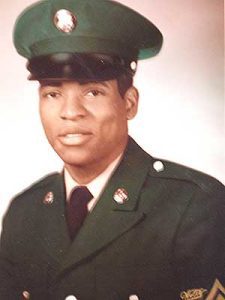
At age 19, Melvin Allen volunteered for military service in his hometown of Chicago. After one year of training in communications and Morse code, he was sent to Vietnam as a Specialist E5 radio transmission operator with top secret clearance for the U. S. Army Security Agency.

Melvin Allen's 1966 U.S. Army photo

Melvin Allen’s 1966 U.S. Army photo

During his service there in 1967 and 1968, at the height of the war, he wore a headset 12 hours a day, six days a week to monitor enemy communications, while also being exposed to noise from heavy artillery fire. Following his tour of duty in Vietnam, Sergeant Allen served two more years in Germany, spending five long days each week inside a metal shipping container with loud sound reverberation and maximum headset volume.

Not surprisingly, upon retirement from the military, he was diagnosed with mild hearing loss—which went untreated until much later.

Turning Point to Treatment

Fast forward 38 years to 2008, when Melvin and his wife, Sherrie, enrolled in a psychology Ph.D. program together at Pacifica Graduate Institute in Carpinteria, CA. Partners in a successful Beverly Hills relationship and executive coaching practice, the couple had already earned master’s degrees and sought more extensive education to better support their clients.

“Up until that point, I had tried to compensate for my hearing loss for decades,” says Melvin, “but it just kept getting worse. In graduate school, I realized that I needed to finally do something about this, because I was missing so much in and out of the classroom.”

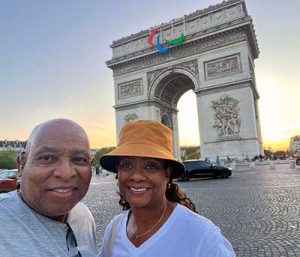
Melvin and Sherrie Allen at Arc de Triomphe, Paris

Melvin Allen with his wife Sherrie at the Arc de Triomphe in Paris, summer 2024

A visit to his local Veterans Affairs (VA) health care center confirmed that Melvin, then 61, had a service-connected hearing disability, and he was prescribed hearing aids.

Within 10 years, his hearing loss had progressed even further.

“By 2018, it had become difficult to understand my coaching clients, both in person and online during videoconference calls, even with my hearing aids—I found myself constantly asking them to repeat what they just said. I’ve always been extremely social and outgoing, but I began to isolate myself, because it was just too hard to hear and communicate.”

Finding the Missing Piece with HLAA

Melvin realized by then that he might need to consider the next step of getting a cochlear implant (CI). “But I spent two more years in denial of my condition before returning to the VA for help. I just wasn’t ready yet.”

Then he was invited to a meeting of the HLAA Los Angeles Chapter on January 25, 2020, by a friend from his master’s degree program who was a member. That day’s presenter was director of the University of Southern California (USC) Keck Medical Center’s cochlear implant program.

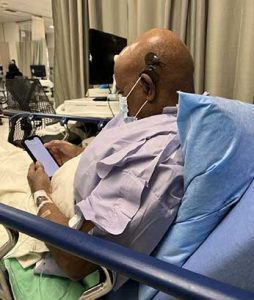
Melvin Allen in a hospital bed

Melvin in the hospital before his second cochlear implant surgery in 2021

The information he heard provided the final piece that Melvin needed to move forward with his decision. Since the VA only had a single cochlear implant surgeon serving all of southern California at that time, they were referring patients to external providers such as Keck.

“I was implanted with my first CI through USC’s program during the Covid-19 pandemic in 2020,” says Melvin. “After going through the auditory rehabilitation process, my hearing improved so much that I went bilateral the next year, in 2021. They’ve made a huge difference in my work and my life.”

Advice to Fellow Veterans

Melvin encourages other veterans with hearing loss to seek treatment as soon as possible.

“Go get tested, find out how your hearing is, get hearing aids and do whatever is necessary. If your hearing aids don’t work, get cochlear implants if you qualify…forget the stigma, surgery fears, etc., and just do what you need to maintain your hearing and stay connected with the world.”

Melvin Allen and son at football game

Melvin Allen and his son enjoy a Washington Commanders NFL game

Today, Melvin and Sherrie continue their coaching and writing work remotely while traveling around the country and the world. A grandfather of two young women, Melvin describes flying out to attend a Washington Commanders football game recently with his son.

“I couldn’t believe that I was actually able to follow our conversation, even in the middle of a cheering crowd. My CIs have been life-changing and the difference in my hearing now is like night and day. If it wasn’t for them, I would just crawl into a hole and hide.”

Hearing loss and tinnitus are the most common service-connected disabilities, affecting nearly three million service members. If you’re a veteran with hearing loss, you don’t need to face it alone—HLAA’s Veterans Across America Virtual Chapter (VAAVC) provides a nationwide community of peer support.


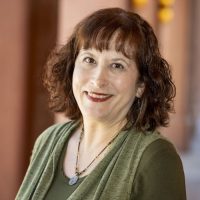
Teri Breier headshot

By Teri Breier, communications specialist, Hearing Loss Association of America


Enjoyed this post? Never miss out on future posts by following us.

Join Our Movement

HLAA Changing Lives for 45 Years: hearingloss.org/give45

Get the latest news and updates from HLAA

This field is for validation purposes and should be left unchanged.
First Name(Required)

HearingU Webinars

HLAA regularly hosts webinars on a variety of hearing wellness topics. View the upcoming schedule or watch a previous video.

Watch a Webinar


Follow HLAA on our social channels


If you or someone you know has a hearing loss, visit hearingloss.org for resources.

Find a local chapter or Walk4Hearing near you.

For questions, contact HLAA at inquiries@hearingloss.org.

Home » Hearing Aids/Cochlear Implants

After 50 Years, 100% of Phones Will Soon be Hearing Aid Compatible (HAC)

A Chinese proverb says, “A journey of thousand miles starts with a single step.” On October 17, the Federal Communications Commission (FCC) took the final step of requiring all cellphones sold in the United States to be hearing aid compatible (HAC). This means that the phone has been tested and passed for both acoustic (bringing the phone to the ear) and telecoil (t-coil) coupling.

Read the FCC Press Release

View the October 17 FCC Meeting

This FCC order is the culmination of a journey that began half a century ago when David and Reba Saks, hearing aid users living near Baltimore, Maryland, discovered that certain public phones no longer worked with their t-coil-equipped hearing aids. The couple founded the Organization for the Use of the Telephone, Inc. (OUT) in 1973, creating an organized effort to get AT&T (which monopolized the industry at that time) to restore the magnetic emissions on its public payphones and to provide compatible handsets upon request.

As phones migrated from analog to digital to wireless, consumers with hearing loss were left with minimal or no access at first. The Hearing Loss Association of America (HLAA) has been there every step of the way over the past 45 years to improve phone accessibility and advocate for and help usher in this important regulatory milestone.

Current standards fall short

Display of cell phones throughout the yearsWhat David and Reba would see today when they walk into their local mobile phone store is an array of smartphones with technologies that easily connect with hearing aids and cochlear implants (CIs), such as Bluetooth. However, under current FCC rules, only 85% of wireless phones in that store are required to be HAC, as phone manufacturers are permitted to include up to 15% of non-HAC handsets in their portfolios—although some manufacturers exceed that mix, with nearly 90% of HAC phones.

That puts the burden on consumers, who need to carefully review the websites of cellphone manufacturers and service providers to ensure that the phone is HAC before purchasing. Consumers must also insist that they can test their new phone (in store or at home) to determine that it works with their hearing aid or cochlear implant (CI).

Currently, there is no FCC requirement for Bluetooth coupling. Now, many phones can only connect directly to the hearing aid using proprietary Bluetooth technology such as Apple’s Made For iPhone (MFI), Android’s Audio Streaming for Hearing Aids (ASHA) or Cochlear’s Wireless Programming Pod (WPP).

The future of HAC wireless phones

After a transition period over the next two to three-and-a-half years, the FCC will require that all wireless handset manufacturers and service providers, both nationwide and regional, in the United States must offer products and services that allow for connectivity with prescription and over-the-counter (OTC) hearing aids and cochlear implant (CI) processors, as follows:

  • 100% of their handsets can connect acoustically to hearing aids or CIs without interference
  • 85% are able to connect to telecoils without interference
  • 15% (after the transition) may have a non-proprietary Bluetooth connection to the hearing aid or CI

Technology upgrades are needed

Two women talking with assistive listening devices and hearing aids.People who own older models of hearing aids without the technology to connect to their phones will need to upgrade. In addition, not all “handheld” phones have the capacity to connect to enabled hearing aids, such as many flip phones and other basic cellphones. The FCC order will change this dynamic, ultimately resulting in greater choices and options for consumers.

By the end of the transition period, equity and accessibility will be reached so that any buyer of a cellphone, hearing or with hearing loss, can choose from any manufacturer or model knowing that it will connect to hearing aids or CIs.


Neil Snyder

By Neil Snyder, director of public policy, Hearing Loss Association of America. For more information or questions about the HAC order, email him at nsnyder@hearingloss.org.


Enjoyed this post? Never miss out on future posts by following us.


Get the latest news and updates from HLAA

This field is for validation purposes and should be left unchanged.
First Name(Required)

HearingU Webinars

HLAA regularly hosts webinars on a variety of hearing wellness topics. View the upcoming schedule or watch a previous video.

Watch a Webinar


Follow HLAA on our social channels


If you or someone you know has a hearing loss, visit hearingloss.org for resources.

Find a local chapter or Walk4Hearing near you.

For questions, contact HLAA at inquiries@hearingloss.org.
Home » Hearing Aids/Cochlear Implants

A World of Dreams: CI Advocacy in Action

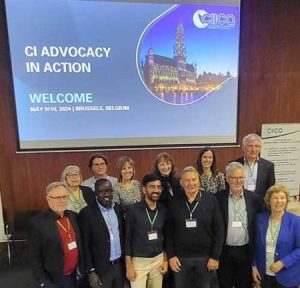
The Cochlear Implant International Community of Action (CIICA) held its first global conference, CI Advocacy in Action, in Brussels, Belgium, May 9-10, 2024. Hearing Loss Association of America (HLAA) Executive Director Barbara Kelley, who serves on CIICA’s board, shares her impressions as she represented HLAA at the meeting.
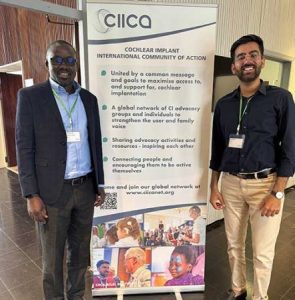
Eddie Mukaaya from Uganda and Qais Khan from the U.K.

Eddie Mukaaya from Uganda and Qais Khan from the U.K.

Eddie Mukaaya from Uganda told the story of his daughter. “Even as our first-born child, she had two things that already left her behind: First, she was born deaf and second, she’s a female in my country.” After the Mukaaya family traveled to the United States so their daughter could get a cochlear implant (CI), Eddie went on to establish Hear His Voice Uganda for other parents needing support and information.

Ordinary people are doing extraordinary things to advocate for themselves and others to get CIs, often not paid for by insurance or government programs. A pervasive lack of information and follow-up care makes their situations even more challenging.

CIICA’s first global conference gave people a voice who normally wouldn’t have one on the world stage. For instance, a young working mother from Slovenia sold her car to come to Brussels just to meet others with implants.

Picture of the CIICA board

The CIICA board travels from across the globe.

CIICA is not a typical organization; it’s more like an international network of people with a common interest sharing their experiences and learning from one another. Their virtual network and popular “CIICA Conversations” draw participants from around the world, while the Living Guidelines for Adult CI and Advocacy Guide resources provide solid information.

Here in the U.S., we have laws to identify children with hearing loss at birth so they can quickly be fitted with hearing aids or receive cochlear implants. We’re fortunate that Medicare and some Medicaid plans cover CIs, as do some private health insurers. Of course, there’s always room for more advocacy, particularly in regard to hearing aid coverage and communication access—yet meeting people with varied experiences and backgrounds made it clear to me why the CIICA network is so important in countries with far fewer advantages.

Barbara Kelley with Dr. Sue Archbold, coordinator of CIICA.

Barbara Kelley with Dr. Sue Archbold, coordinator of CIICA.

My experience also made it clear that, although HLAA is a national organization, it has a place in this world beyond our 50 states. We are a member not only of CIICA, but also of the World Health Organization’s World Hearing Forum.

Each of us in HLAA is part of this global community of people with hearing loss, doing the best we can every day to use the latest technology so we can live our best lives. Our priceless community of support provides valuable knowledge, resources, education and connection with peers. Learn more about joining us: hearingloss.org/membership.


Barbara Kelley

By Barbara Kelley, Executive Director, Hearing Loss Association of America
Follow Barbara on Twitter, @Bkelley_HLAA.


Enjoyed this post? Never miss out on future posts by following us.


Get the latest news and updates from HLAA

This field is for validation purposes and should be left unchanged.
First Name(Required)

HearingU Webinars

HLAA regularly hosts webinars on a variety of hearing wellness topics. View the upcoming schedule or watch a previous video.

Watch a Webinar


Follow HLAA on our social channels


If you or someone you know has a hearing loss, visit hearingloss.org for resources.

Find a local chapter or Walk4Hearing near you.

For questions, contact HLAA at inquiries@hearingloss.org.
Home » Hearing Aids/Cochlear Implants

Walk4Hearing Heroes Help HLAA Bring Hope – Brody’s Monsters

The HLAA Walk4Hearing is held in 21 cities across the country, raising awareness and bringing hope to people with hearing loss. Since 2006, more than 365 Walks have raised $20 million for national and local programs, welcomed 123,000 participants and shown countless people with hearing loss that they are not alone. Our 2024 Walk4Hearing season is off to a great start, with four events completed, four coming up through June 23, and 13 more in the fall! Join us as a participant, volunteer or donor!

In this blog series, we’re spotlighting three heroic teams whose long-time participation have helped HLAA bring hope to millions. Here is the second; read the first blog about Team Adeline.

$10K in Six Years: Brody’s Monsters

An Early Start with Walk4Hearing

Brody Fromholt was born in 2012 with a profound hearing loss caused by Usher syndrome, a rare genetic condition that affects both hearing and vision. It was identified during his newborn hearing screening and confirmed during an auditory brainstem response (ABR) test. Brody received his first pair of hearing aids at just three weeks old.

Walk4Hearing has played many roles in Brody’s life, but most importantly, it has taught him the importance of being an advocate.

Brody with his family members at a Walk4Hearing eventBy a quirk of fate, both Brody’s mother, Katie, and grandmother had been longtime teachers of children with hearing loss. His grandmother retired to care for Brody as a baby and Katie eventually changed jobs to work at the Kentucky School for the Deaf, which he attended.

Thus, upon his diagnosis, Brody’s parents were already aware of various options. They immediately went into research mode and decided upon cochlear implants (CIs). Their search for the best surgeon to perform the procedure led them to Cincinnati Children’s Hospital Medical Center (CCH). CCH sent information and resources, including an introduction to the local Walk4Hearing the following spring.

A Family Affair from the Get-Go

In May 2013, Brody’s family participated in the Dayton Walk4Hearing, where extended family members joined the newly organized Brody’s Monsters team. Together, they proudly raised a few hundred dollars that first year and were delighted to connect with other Walk4Hearing participants in that area. Being at the Walk gave Brody’s family the opportunity to be around other people with hearing loss. Since 2013, the Brody’s Monsters team has raised more than $10,000.

Through Walk4Hearing, Brody’s family has networked and shared helpful resources with other nearby hearing professionals. Just 10 years after its first walk, the family now hosts its own Walk4Hearing event closer to home in Kentucky, where Katie served for two years as the Walk Chair.

Brody and his momStopping Hearing Loss in Its Tracks

Brody has never let hearing loss slow him down and excels in his middle school gifted and talented program. He also plays trombone in the school band, manages the football team and produces his own videos.

Advocacy is especially important to Brody. He corresponded with Kentucky Governor Andy Beshear regarding Usher syndrome, which led to an appearance with the governor as he signed the Usher Syndrome Awareness Day Proclamation in 2021. Brody is always happy to talk about his hearing loss and share the strategies that work best for him.

The next Kentucky Walk4Hearing will take place on Sunday, September 22, 2024.


Cindy Dyer

by Cindy Dyer, communications consultant, Hearing Loss Association of America

Enjoyed this post? Never miss out on future posts by following us.


Get the latest news and updates from HLAA

This field is for validation purposes and should be left unchanged.
First Name(Required)

HearingU Webinars

HLAA regularly hosts webinars on a variety of hearing wellness topics. View the upcoming schedule or watch a previous video.

Watch a Webinar


Follow HLAA on our social channels


If you or someone you know has a hearing loss, visit hearingloss.org for resources.

Find a local chapter or Walk4Hearing near you.

For questions, contact HLAA at inquiries@hearingloss.org.