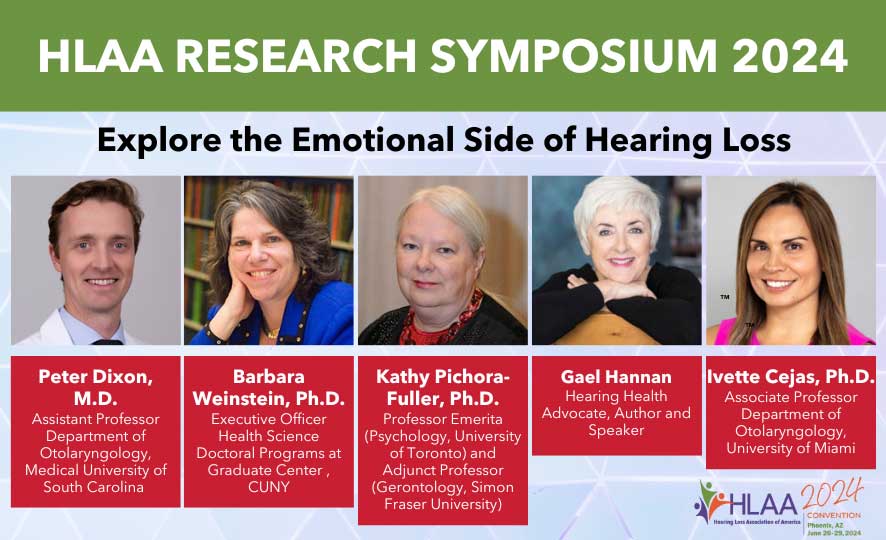
Hearing loss affects more than just our ears and can often lead to a loss of our easy connectedness with others and our sense of ourselves as social beings. This, in turn, has been linked to such mental health issues as isolation, anxiety and depression. The Hearing Loss Association of America’s (HLAA) 30th annual Research Symposium featured a panel of medical and psychology experts exploring “The Emotional Side of Hearing Loss”: Barbara Weinstein, Ph.D., Kathy Pichora-Fuller, Ph.D., Peter Dixon, M.D.*, author Gael Hannan and moderator Ivette Cejas, Ph.D., discussing the powerful emotions of hearing loss, how they impact our behaviors and how we can harness them for a more successful hearing loss journey.
This video from the Hearing Loss Association of America (HLAA), is edited from a live Research Symposium presented on June 28, 2024 at its annual convention in Phoenix.
* Dr. Dixon’s segment was presented by Dr. Cejas
Panelists
 Peter Dixon, M.D.
Peter Dixon, M.D., MSc., is an assistant professor at the Medical University of South Carolina in the Department of Otolaryngology-Head & Neck Surgery. He has an interest in the application of real-world data derived from multiple sources to answer questions about the effectiveness, organization, and delivery of hearing care at a population level. Dr. Dixon is also interested in how effectiveness is measured in this context and has developed a hearing-specific health utility instrument for that purpose.
Barbara E. Weinstein, Ph.D.
Dr. Barbara Weinstein received her Ph.D. and began her academic career at Columbia University, where she authored both editions of Geriatric Audiology and received the 2022 Distinguished Alumnus Award. A professor and founding executive officer of the Health Sciences Doctoral Programs at the Graduate Center, CUNY, Dr. Weinstein also holds a position as an adjunct professor of Medicine at NYU Langone Medical Center in NYC. Professor Weinstein developed the world’s most widely used tool to identify patients with hearing loss, which has been translated into more than 20 languages and is used globally to document the negative health effects associated with age-related hearing loss and the outcomes associated with hearing aid use, audiologic rehabilitation and counseling. Her primary research interests include hearing loss, dementia and social isolation, physician-patient communication, screening of age related hearing loss, person-centered care delivery and quantification of patient reported outcomes. Her research on hearing loss, face masks during COVID-19, dementia and social consequences of hearing loss have profound implications at the intersection of audiology, public health, and society.
Kathy Pichora-Fuller, Ph.D.
Kathy Pichora-Fuller is professor emerita (Psychology, University of Toronto) and adjunct professor (Gerontology, Simon Fraser University). She was a faculty member in the School of Audiology and Speech Sciences at the University of British Columbia (1992-2002). For over three decades, she has translated her research on auditory and cognitive aging to address the rehabilitative needs of older adults with age-related hearing and cognitive impairments, with a more recent focus on social engagement and healthy aging. She received the Speech-Language and Audiology Canada Eve Kassirer Lifetime Achievement Award (2021) and the International Award of the American Academy of Audiology (2014). In 2022, she became a Fellow of the Canadian Academy of Health Sciences. She is past president of the International Collegium of Rehabilitative Audiologists, represents the International Society of Audiology on the World Rehabilitation Alliance, and advises the International Federation on Ageing on their Hearing in Later Life initiative.
Gael Hannan
Gael Hannan is a renowned hearing advocate, humorist, author, and speaker on hearing loss issues. Over the past 25 years, she has created awareness campaigns, school programs and award-winning presentations that help people better understand and live more successfully with their hearing loss. Gael has a passionate international following for her writing that includes weekly, insightful articles on HearingHealthMatters.org and a regular column for Canadian Audiologist, and two books, The Way I Hear It: A Life with Hearing Loss (2015) and Hear & Beyond: Live Skillfully with Hearing Loss (2022), written with Shari Eberts. Gael lives on Vancouver Island with her husband Doug, AKA the Hearing Husband.
Moderator
Ivette Cejas, Ph.D.
Dr. Ivette Cejas is an associate professor within the Department of Otolaryngology at the University of Miami. She also has secondary appointments in psychology and pediatrics. She is the Director of Family Support Services at the University of Miami Ear Institute. She is a Licensed Psychologist in the state of Florida. Dr. Cejas’ research interests include the impact of hearing loss on cognitive, social, and emotional development. Her research is funded by NIDCD and industry grants. As part of her clinical work she provides evaluation and therapy services for deaf or hard of hearing children and their families. She is on the Board of Directors at AG Bell and is on the Scientific Program Committee for the American Cochlear Implant Alliance.
The HLAA Research Symposium is supported by the National Institute on Deafness and Other Communication Disorders of the National Institutes of Health under Award Number R13DC017913. The content is solely the responsibility of the authors and does not necessarily represent the official views of the National Institutes of Health.

 Peter Dixon, M.D.
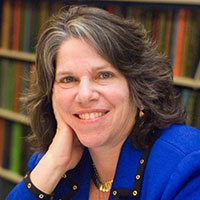 Barbara E. Weinstein, Ph.D.
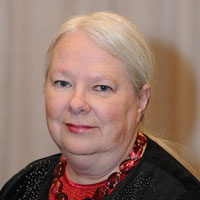 Kathy Pichora-Fuller, Ph.D.
 Gael Hannan
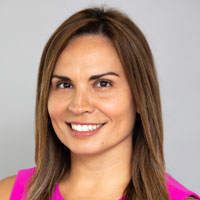 Ivette Cejas, Ph.D.