2026 Boston Walk4Hearing


Hearing loss is an ever-present stress requiring continual adjustment for each person, place or situation experienced on any given day. Add to that, the stress of the holidays – including family dynamics, lofty expectations, and added social pressures – and you have a perfect storm for stress, anxiety, and avoidance.
Why is this such a tough time? You, first, must understand that hearing loss affects more than just hearing. It’s a communication disability that can affect how you relate to others, and your overall well-being.
I’m a psychologist, with a profound hearing loss, and I see many clients with varying degrees of hearing loss all year-round. The holidays for any person with hearing loss, can be a major stress. Without a doubt, I can say that every client of mine who has hearing loss has added anxiety when the holiday season approaches. They fret about how to navigate social events with family and friends, with some opting out altogether.
The stress of dealing with the holidays can be so overwhelming, that many of us dread the times of having to smile and “pretend” our way through conversations and meals, and we look forward to January when the holidays are finished.
Let’s talk about why this would be. Holidays mean more people, more noise and more talking, which all add up to more struggling to hear and communicate. For starters, think about the difference between someone who wears glasses, versus hearing aids or a cochlear implant. Glasses are visible, hearing aids or cochlear implants are sometimes not visible. And, when they are, people often assume that wearing them means we can hear very well. When we have a hearing loss, it’s easy to be as invisible as we want. And perhaps that is exactly the problem, especially around the holidays – we are “silently struggling.”
When we talk to someone who is wearing glasses, we don’t give much thought to what it is that they need to see. We can see the glasses – and often we know the degree of vision loss by looking at the thickness of the lenses. Whereas, hearing aids and cochlear implants are often out of sight, and most importantly, vision loss doesn’t affect one’s ability to communicate.
An essential part of dealing with hearing loss is recognizing that stress is inevitable, rather than trying to avoid it. The task is to learn more effective stress management and communication skills. One of the major factors in effective stress management is being able to recognize when we can be in charge and knowing what we can and cannot control.
When I go into a social situation, I put on my educator’s hat and have two basic assumptions that underlie my philosophy for effective communication. First, I assume that most people know little, if anything, about hearing loss. Second, most of these people are embarrassed about asking me what I need to communicate. They often think that they should know what I need, but they really don’t, and that embarrasses them.
I truly believe that the more people know and understand about my hearing loss, the more effective communication will be for everyone involved. When I can provide information to them, I often spare them the embarrassment of having to ask me for what I need. When I do this, I not only lower their stress, but mine as well!
For many people with hearing loss, embarrassment and a sense of shame often prevents them from telling others about their hearing loss which often results in giving the wrong impression – being aloof, rude, or stupid. However, if one stops to really think about it, in not addressing your needs, you are really creating your worst fears. So, the question is, would you rather be seen as stupid/rude/aloof, or hard of hearing or deaf?
So, what is one to do? The key to coping is recognizing where we have a sense of control in making choices. It helps to keep in mind what I call “the three A’s. In doing so, we can reduce our feelings of powerlessness, victimization, or self-pity.
For example, if I am invited to go to a noisy restaurant, I recognize that I may not be able to control the acoustics of a room because of the hardwood floors or the background music, but I can take charge of communicating my needs.
If I am invited to go to a movie, I can avoid going altogether, suggest an alternative, like choosing a captioned movie, or just I can just accept that I will not understand everything.
A client was invited to a holiday fundraiser at a popular hotel where there would be loud music, dancing, and a speaker who she would struggle to understand. She decided to avoid going, but still made a donation to the cause, and alternately arranged to meet her colleagues and friends at a separate event.
Hearing loss is a major stressor, and the best coping skills in dealing with stress are education and self-advocacy. I often choose to save my energy when it’s very important and have learned not to sweat the small stuff. I tell clients to mentally prepare themselves before events to educate others and be patient with yourself as you recuperate the next day. Ultimately, the more responsibility you take for your needs, the more you can enjoy the holidays!

Enjoyed this post? Never miss out on future posts by following us.
HLAA regularly hosts webinars on a variety of hearing wellness topics. View the upcoming schedule or watch a previous video.



If you or someone you know has a hearing loss, visit hearingloss.org for resources.
Find a local chapter or Walk4Hearing near you.
For questions, contact HLAA at inquiries@hearingloss.org.

A new law in Hawaii will lead to the development of a State Plan on Hearing Loss to address vital hearing healthcare needs and close service gaps.
Advocacy Chapters Hear This! Blog
Learn how to report missing, inaccurate or out of sync television captions with the Federal Communications Commission (FCC).
Accessible Communication Advocacy Hear This! Blog
Discover how Title III of the ADA ensures equal access and effective communication through assistive listening systems in places of public accommodation.
Accessible Communication Advocacy Hear This! Blog
Virginia’s new law requires movie theaters to offer open-captioned screenings, making cinema more accessible for viewers with hearing loss.
Advocacy Hear This! Blog
A prominent battery manufacturer makes an important, senior-friendly accessibility update to its hearing aid battery packaging.
Advocacy Hear This! Blog
After delaying eight years to treat her hearing loss with a cochlear implant, Teri wishes she had done it sooner; read HLAA's third inspiring CI Day story.
Chapters Hear This! Blog Success Stories
Qais Khan is a passionate advocate for young adult cochlear implant recipients—read the second of HLAA's three inspiring stories for CI Day.
Advocacy Hear This! Blog Success Stories
Read about Doni, a young cochlear implant recipient, and his family in the first of three inspiring stories for International Cochlear Implant Day.
Hear This! Blog Success Stories
Flying for the holidays with hearing loss? Check out our 8 essential travel tips, advocate for your rights and learn a new way to file complaints.
Advocacy Hear This! Blog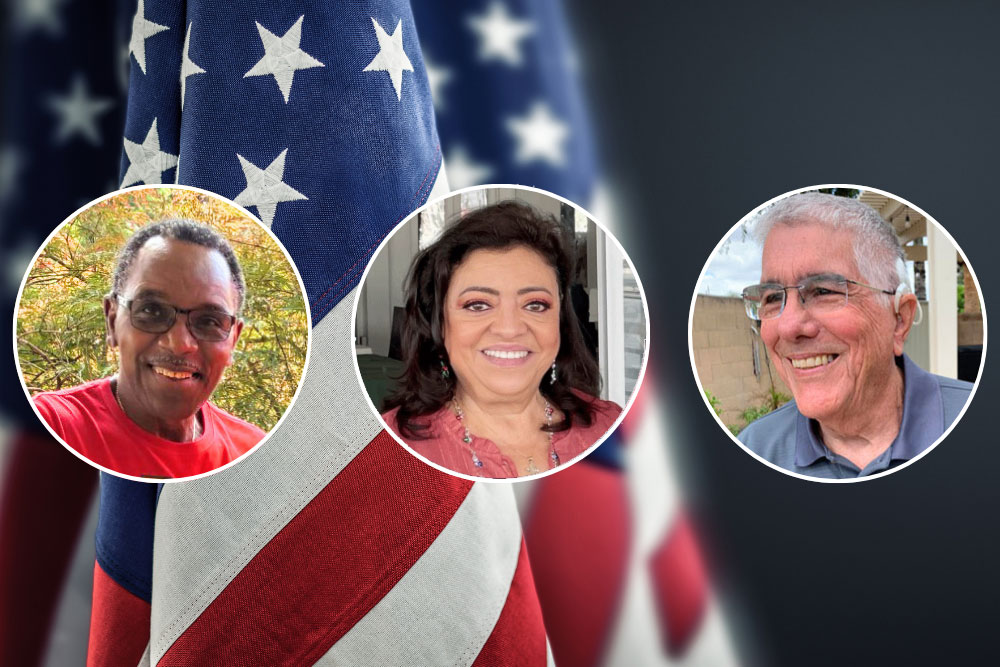
Read the inspiring stories—and advice—of three military veterans with service-connected hearing loss who are HLAA Chapter leaders.
Chapters Hear This! Blog Success Stories
Four members of the HLAA Task Force for Accessible, Inclusive Employment share career insights and workplace strategies for people with hearing loss.
Employment Hear This! Blog Technology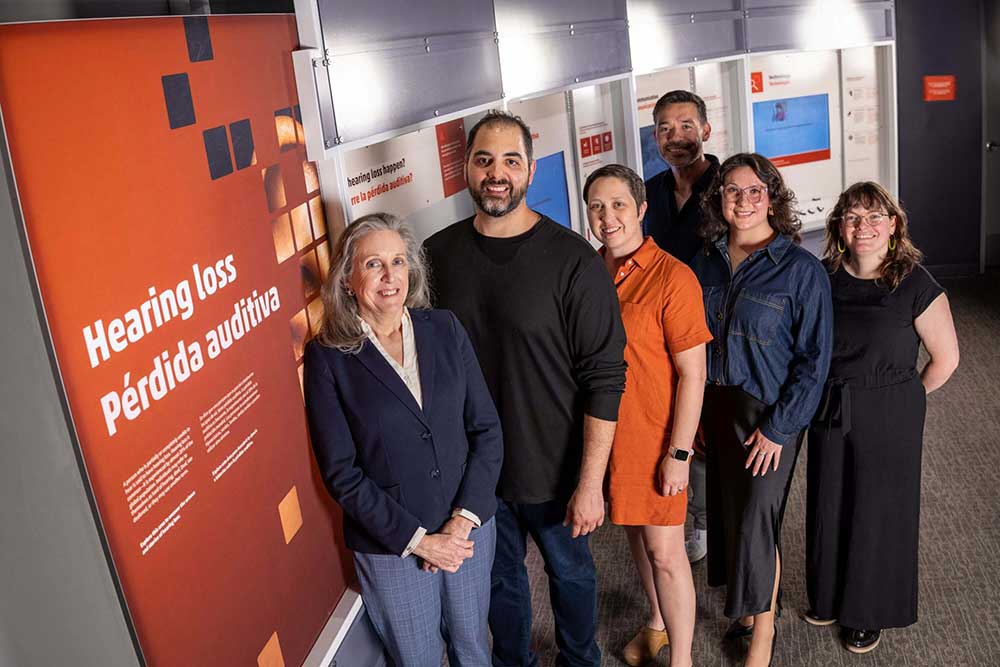
A groundbreaking exhibit on hearing loss at Boston's renowned Museum of Science was developed with involvement from a local HLAA Chapter.
Chapters Hear This! Blog Success Stories