Veterans Across America Virtual Chapter Meeting


The Americans with Disabilities Act (ADA) was passed nearly 33 years ago to prevent discrimination, but people with disabilities in general—and hearing loss specifically—remain at a disadvantage in the labor force. Disclosing your disability and asking for accommodations on the job or in an interview are common dilemmas.
Recent statistics underscore the need for greater workplace accessibility and equity for people with all disabilities. According to the U.S. Bureau of Labor Statistics, only 21% of people with a disability were employed in 2022, compared to 65% of people without a disability. In addition, the number of people with a disability who filed for unemployment was more than double that of those without a disability.
The National Deaf Center on Postsecondary Outcomes reports that only 56% of adults with hearing loss or deafness were employed, compared to nearly 73% of hearing adults [updated with 2023 data since original publication of this blog]. (See Figure 1 for 2017 data.) In addition, 41% of people who were deaf, compared to 24% of hearing people [2023 data], were not even in the labor force. (See Figure 2 for 2017 data.) However, they were also more likely to be actively looking for work, suggesting that they were not opting out of the workforce because of a lack of interest, but rather, a lack of options and access.
As a result, many people with hearing loss are hesitant to reveal their condition to current or potential employers. Knowing what the law says about disclosure, accessibility and other relevant issues, such as protected classes and obtaining reasonable accommodations, can help workers make more informed decisions.
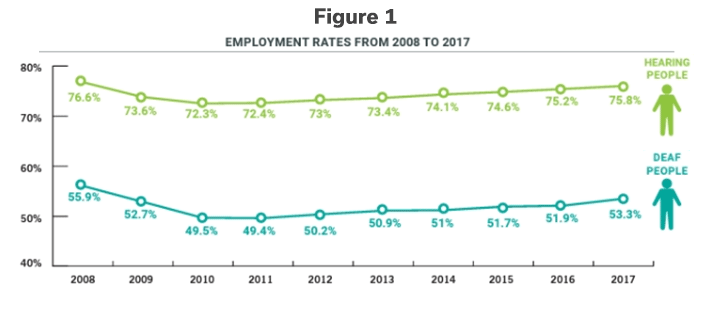 Source: National Deaf Center on Postsecondary Outcomes, 2019
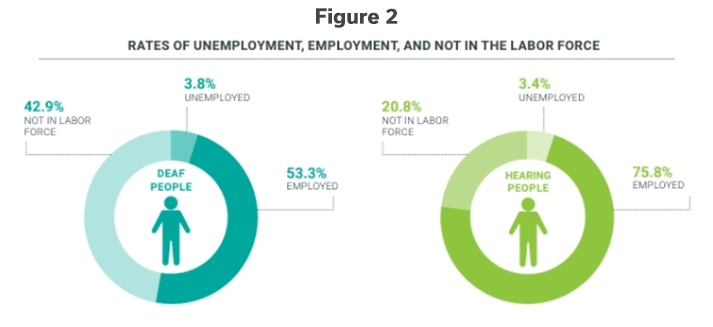 Source: National Deaf Center on Postsecondary Outcomes, 2019
HLAA’s Task Force for Accessible Inclusive Employment was established in 2021 to address labor disparities and provide employment-related information and resources to those with hearing loss. All Task Force members, who span a wide range of diversity and professional backgrounds, either have hearing loss or work in the hearing loss community, volunteering their time to help career-aged Americans with hearing loss successfully enter, remain and excel in the workforce.
“When people with hearing loss have full communication access, they can work to their potential and be competitive in the workplace,” said David Baldridge, Ph.D., MBA, current Task Force chair and professor of management at Oregon State University, who researches workplace experiences of people with hearing loss. “And by providing communications access, companies have the opportunity to create a more inclusive and productive workforce, particularly as the workforce continues to age.”
The Task Force presents quarterly HearingU Hearing Loss at Work webinars on a range of employment-related topics, and is exploring new ways to increase its reach and impact—not just among people with hearing loss, but with companies working to achieve greater diversity, equity, inclusion and accessibility. Its ultimate aim is to advance HLAA’s mission to empower people with hearing loss through information, education, support and advocacy.
For notification about upcoming webinars, subscribe to Hearing Life e-news.

Guest blogger Lisa Yuan works in public health, serves on HLAA’s employment Task Force and volunteers with the HLAA District of Columbia and Montgomery County (MD) Chapters.
Enjoyed this post? Never miss out on future posts by following us.
HLAA regularly hosts webinars on a variety of hearing wellness topics. View the upcoming schedule or watch a previous video.



If you or someone you know has a hearing loss, visit hearingloss.org for resources.
Find a local chapter or Walk4Hearing near you.
For questions, contact HLAA at inquiries@hearingloss.org.
After delaying eight years to treat her hearing loss with a cochlear implant, Teri wishes she had done it sooner; read HLAA's third inspiring CI Day story.
Chapters Hear This! Blog Success Stories
Qais Khan is a passionate advocate for young adult cochlear implant recipients—read the second of HLAA's three inspiring stories for CI Day.
Advocacy Hear This! Blog Success Stories
Read about Doni, a young cochlear implant recipient, and his family in the first of three inspiring stories for International Cochlear Implant Day.
Hear This! Blog Success Stories
Flying for the holidays with hearing loss? Check out our 8 essential travel tips, advocate for your rights and learn a new way to file complaints.
Advocacy Hear This! Blog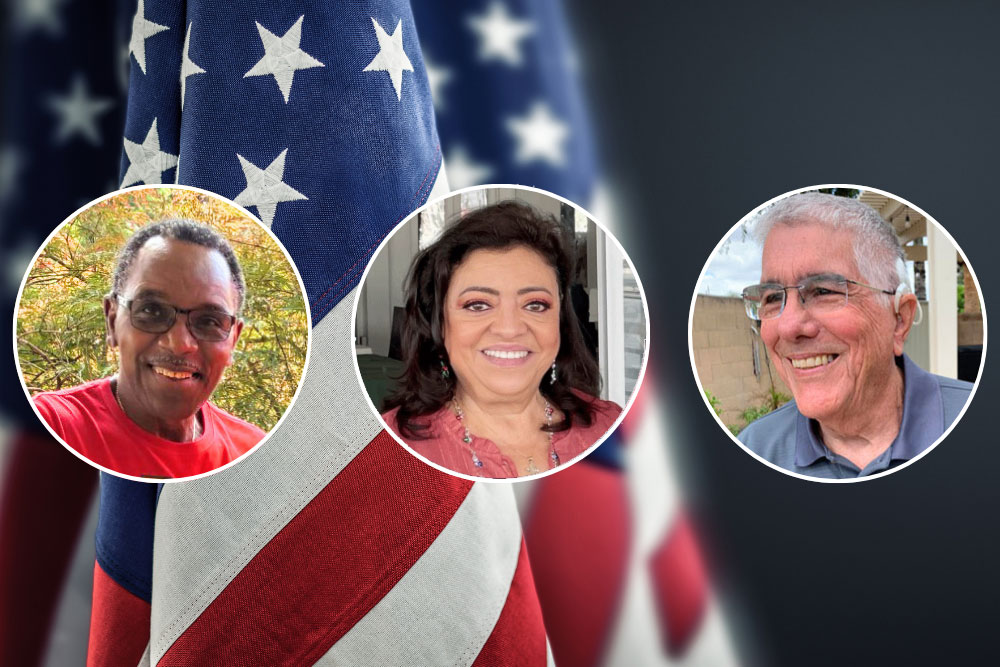
Read the inspiring stories—and advice—of three military veterans with service-connected hearing loss who are HLAA Chapter leaders.
Chapters Hear This! Blog Success Stories
Four members of the HLAA Task Force for Accessible, Inclusive Employment share career insights and workplace strategies for people with hearing loss.
Employment Hear This! Blog Technology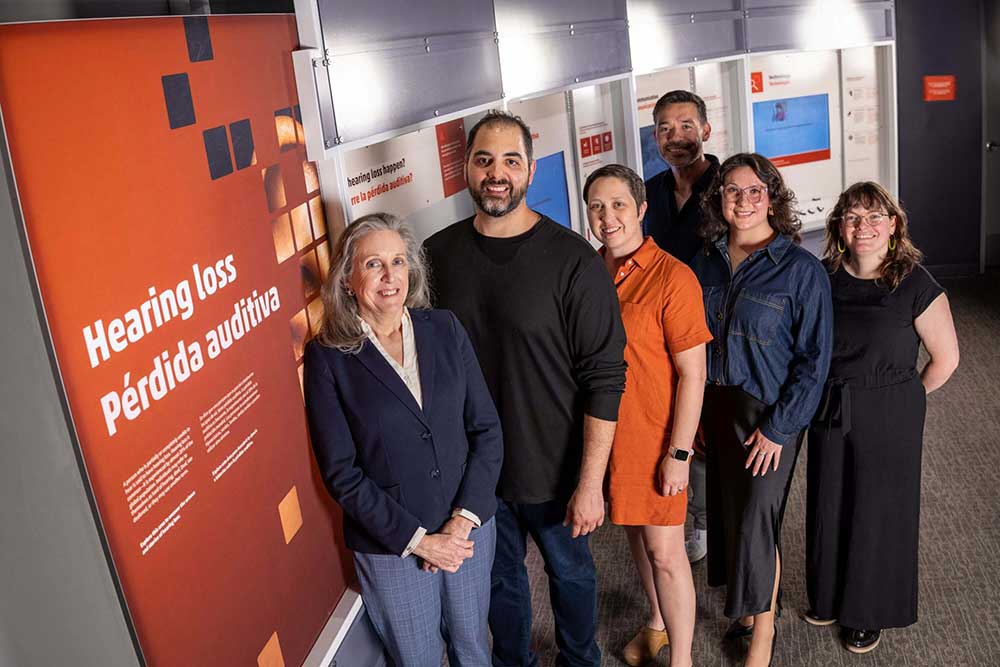
A groundbreaking exhibit on hearing loss at Boston's renowned Museum of Science was developed with involvement from a local HLAA Chapter.
Chapters Hear This! Blog Success Stories
Mobile phone makers have a new FCC deadline to implement Hearing Aid Compatibility (HAC) volume control standards to help people with hearing loss.
Advocacy Hear This! Blog Technology
Helpful back-to-school tips for parents of children with hearing loss from a pediatric audiologist and mom.
Advocacy Education Hear This! Blog
35 years after Americans with Disabilities Act (ADA) passed, the Hearing Loss Association of America (HLAA) is still fighting for access.
Accessible Communication Advocacy Hear This! Blog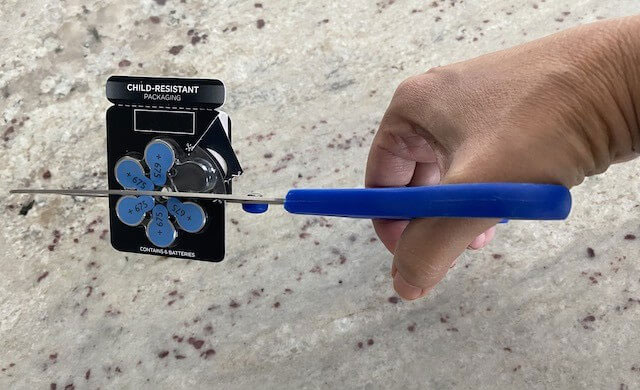
Learn what's behind the new hearing aid battery packaging, why many are frustrated and what you can do to help.
Advocacy Chapters Hear This! Blog Technology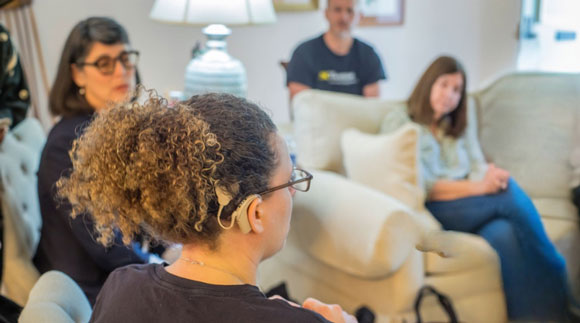
A clinical psychologist explores the wide-ranging effects of hearing loss and how education and self-advocacy can help reduce its psychological impact.
Hear This! Blog Living Well