Home » Media & Publications » Hear This! Blog

From Barriers to Breakthroughs: Empowering Employment Success with Hearing Loss

/
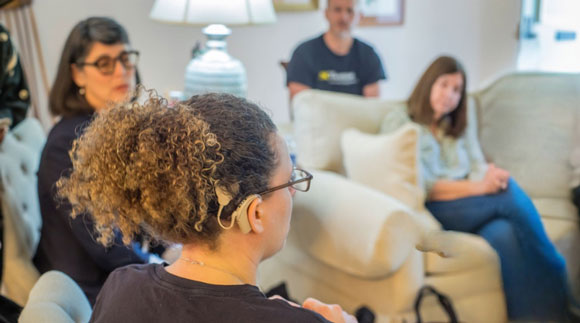
Group of workers in a workplace setting discussion meeting details.

With hearing loss now affecting more than 50 million Americans, job-related issues are common for adults in the workforce. Communication challenges with colleagues often lead to frustration, listening fatigue and missing important information. Hearing loss may also influence the hiring process and in some cases, earning potential.

Despite the Americans with Disabilities Act (ADA) and other laws to protect people with hearing loss from discrimination, some employment disparities still exist.

  • Only 57.1% of adults with hearing loss are employed, compared to 73.3% of hearing people. (National Deaf Center)
  • People with hearing loss earn about 25% less; their mean wage was $23,481, compared with $31,272 for typical-hearing peers. (The Hearing Journal)

See more facts and stats on the Hearing Loss Association of America (HLAA) Hearing Loss by the Numbers website page.

In honor of National Disability Employment Awareness Month (NDEAM) in October, we asked four volunteer members of the HLAA Task Force for Accessible, Inclusive Employment to share their career insights and workplace strategies from lived experience. The Task Force provides a range of resources and presents quarterly webinars to help employees with hearing loss get the support they need and succeed at work.

Don’t Let “Can’t” Shape Your Future

Hearing loss doesn’t just affect how we hear—it affects how the world hears us.

Theo Shomsky speaking to an audience during a presentation

HLAA Employment Task Force member Theo Shomsky.

For Theodore “Theo” Shomsky, college graduation promised opportunities, yet his hearing loss quickly began closing doors. Careers in law enforcement, aviation and the military were off-limits, and phone interviews left him anxious. “Every misunderstood word felt like a lost opportunity,” he recalls.

Ibrahim Dabo faced yet another path: “I didn’t realize hearing loss was at the root of so many of my struggles until I was diagnosed. For over a decade, I faced challenges—social isolation, stress and even burnout—without knowing the cause. Accepting the diagnosis was difficult, but it ultimately transformed how I see myself, my journey and my purpose.”

But barriers don’t need to be the end of our stories. We can each discover our own ways to transform obstacles into breakthroughs and shape our futures.

What’s Your Breakthrough?

Turning points and methods vary from one person to the next, drawing on our unique strengths, intentions and resolve.

Tori Carapelho found that silence wasn’t peaceful but isolating, and she wondered, “Is hearing loss a barrier to a purposeful life?” Determined to change that, she launched Hear 4 Hope, a space for education and encouragement that brought people together to share experiences and support one another. That effort grew into the HLAA Hawaii Group, where she now helps others find strength in community. Through education, advocacy and ongoing support, the group empowers people living with hearing loss and ensures their voices are heard.

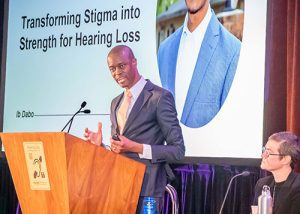
Ibrahim Dabo

Ibrahim Dabo speaks about Hearing Loss Stigma on the Research Symposium panel at the HLAA 2025 Convention.

Ibrahim’s inner strength carried him from refugee to advocate, guided by faith, determination and hard work. Today, he serves on the Georgia Commission for the Deaf or Hard of Hearing and is a global humanitarian technology leader and past HLAA Board Member. His journey shows how even the deepest challenges can be transformed into new possibilities, inspiring others with hearing loss to embrace resilience and rise into their fullest potential.

Born with profound hearing loss, Michael Noble received a cochlear implant as a child. His adaptability shaped his career and ultimately his leadership in the accessibility field. He now uses his platform as Task Force chair to bridge industries and advance systemic change. Similarly, Theo drew on his persistence to transform barriers into innovation. As an enterprise accessibility technology engineer, he channels lived experience into building inclusive workplace solutions.

Their paths may differ, but they point to the same conclusion: hearing loss doesn’t limit success, it redirects it. What is the key to your personal breakthrough with hearing loss?

Tools That Redefine Work

Breakthroughs like these examples don’t happen in a vacuum. It’s important to leverage available assistive technology and resources to help turn challenges into opportunities—whether you’re a worker, manager, executive or entrepreneur.

Accessibility innovations that are reshaping how employees with hearing loss thrive on the job include:

  • AI-powered and Bluetooth hearing aids that auto-adapt to environments and integrate with smartphones and computers.
  • Live captioning apps, captioning glasses and other transcription tools for immediate clarity.
  • Assistive listening systems and sound-customizing software that enhance speech and reduce background noise.
  • Even older technologies such as captioned business telephones and amplifying headsets can make a big difference and may be provided at no cost due to Federal Communications Commission (FCC) regulations.

These tools don’t just improve hearing, they strengthen communication, productivity and inclusion at work. For more information, see our blog on Must-Have Workplace Tech.

Ask for What You Want

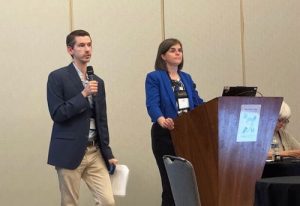
Michael Noble and Jill Herbold

Task Force Chair Michael Noble and member Jill Herbold presenting at the HLAA 2025 Convention.

Yet tools alone don’t spark change. It’s the act of requesting them—and expecting access—that begins to reshape workplaces and systems. People with disabilities such as hearing loss are a protected class under the ADA, and it’s your right to ask for the accommodations you need to perform your job optimally.

Theo’s initial requests for tools grew into broader workplace adoption. “What started as my need became a catalyst for inclusion,” he explains.

Michael helps embed accessibility into corporate culture, turning individual needs into systemic solutions, while Ibrahim’s advocacy at the state level has helped ensure that requests for access are no longer seen as exceptions, but as the standard everyone deserves.

Each individual request for access is a step toward a better system for those who follow. And when those individual requests come together, they form something bigger—a movement for systemic change.

You can typically request accommodations through your company’s human resources department or accessibility coordinator. It often helps to be specific about what you need to excel in your job and to research the costs of potential options in advance.

Driving Change and Building Inclusive Community

The HLAA Employment Task Force unites people who have lived experience with industry, clinical and research experts to drive systemic change. By connecting advocacy, technology and employer partnerships, the Task Force ensures that what begins as one person’s request for access can grow into systemic solutions that benefit many.

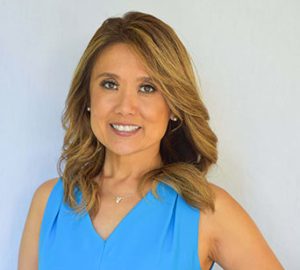
Tori Carapelho

HLAA Employment Task Force member Tori Carapelho.

“Over the past several years, the Task Force has delivered HLAA’s employment resources, hosted webinars, led sessions at the national convention and partnered with major organizations to advance our mission,” says Tori. She also emphasizes that accessibility isn’t only technical—it’s about emotional support, culture and belonging.

Systemic efforts gain strength when grounded in community that helps people move from struggle to success. Communities like HLAA Chapters and Groups empower members by providing connection, resources, support, encouragement and a sense of belonging.

A Call to Action

Hearing loss is not a deficit—it’s a catalyst for resilience that unlocks potential, makes your strengths visible, inspires you to become your best self and empowers you to achieve your professional goals.

Join us in redefining what hearing loss means for you, for workplaces and for the world.

Let’s turn barriers into breakthroughs, together.

This blog article was collaboratively written by four volunteer members of the HLAA Task Force on Accessible, Inclusive Employment: Theodore Shomsky, enterprise accessibility technology engineer at PNC; Tori Carapelho, CEO/founder, Hear 4 Hope and vice president, Team Vision Marketing; Ibrahim Dabo, commissioner, Georgia Commission for the Deaf or Hard of Hearing; and Michael Noble, Task Force chair, vice president of global marketing, Senzime. Connect with the Task Force on LinkedIn.


Enjoyed this post? Never miss out on future posts by following us.


Get the latest news and updates from HLAA

This field is for validation purposes and should be left unchanged.
First Name(Required)

HearingU Webinars

HLAA regularly hosts webinars on a variety of hearing wellness topics. View the upcoming schedule or watch a previous video.

Watch a Webinar


Follow HLAA on our social channels


If you or someone you know has a hearing loss, visit hearingloss.org for resources.

Find a local chapter or Walk4Hearing near you.

For questions, contact HLAA at inquiries@hearingloss.org.