Veterans Across America Virtual Chapter Meeting


I have hearing loss. This is the story of how I became a hearing advocate. My interest in the critical importance of effective communication in health care began in 2010, when I supported my hearing husband, John, through many arduous, painful months of cancer treatment. As John’s primary companion, I worked with him to understand his treatment options, progress and setbacks. We were a good team, as he often repeated what the doctors were saying, and filled in the things I didn’t hear.
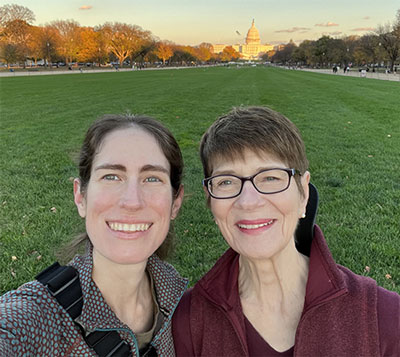 When John was unable to speak and explain to me what the doctors were saying, I was unable to step in and be his voice. At these critical times our daughter, Claire, was with us as our hearing advocate translating what the doctors said, so I could stay involved with John’s care. Her help was imperative, and at the time, it seemed our only option.
Over the next few years, thanks to the Hearing Loss Association of America (HLAA), John and I both learned how to self-advocate using strategies and new technologies. Our communication teamwork was crucial as John developed hearing loss due to the chemo drugs and battled additional illnesses, including esophageal cancer that eventually took his life in January of 2022.
In 2010, I was not aware that the Americans with Disabilities Act (ADA) and the Affordable Care Act (ACA) mandate accommodations for effective communication for people with hearing loss, like me. That means that it’s up to the patient which reasonable accommodation works for them. For some, it’s an American Sign Language (ASL) interpreter, for others, it could be captions or a hearing loop assistive listening system that delivers audio directly into a hearing aid or cochlear implant (CI), like I have. For my husband and me, at the most critical time, our “accommodation” was our daughter. But I wondered what someone without access to this extra support would do.
In 2011, I started regularly attending the Hearing Loss Association of America (HLAA) Chicago North Shore Chapter meetings and a hearing support group. I learned from my new HLAA community the benefits of using hearing technologies and strategies, and the critical importance of advocating for my needs.
 In 2014, I joined a group of HLAA Chapter members to listen to people who had distressing experiences in hospital settings. The next year, our chapter hosted a program with four Chicago-area hospital representatives who sat on a panel and told our audience what accommodations their hospital had for people with hearing loss. Turns out, they only had one—ASL interpreters. That works for only a small fraction of people with hearing loss that know ASL, and by law, the facilities should provide additional accessible communication options for patients who need them.
This HLAA event in October 2015 was the catalyst for an annual Hospital Safety Program that lasted for the next seven years, educating hospital staff about the needs of the hearing loss community. At these meetings, both John and I learned to become a hearing advocate for ourselves, and others too.
As a hearing advocate, I am acutely aware that the safety of people with hearing loss in hospitals and medical settings are at risk if they don’t advocate for themselves. Patients must tell the speaker they have hearing loss and quickly educate them about their communication needs. It means coming out of your comfort zone and speaking up about your needs—something many of us with hearing loss spend years avoiding. In a medical setting, you can’t avoid or bluff. Not hearing or understanding a diagnosis or medical instructions could be dangerous.
On May 1, 2024, I was scheduled for spinal surgery at a top hospital in Chicago. Because this hospital consistently sent a representative to the HLAA Hospital Safety Panel, I already knew of many of their available accommodations. I learned firsthand that as a patient with hearing loss, it’s critical to plan ahead.
 When I got out of surgery, I was deaf and disoriented. As planned, the doctor summoned Claire, who stepped in and took charge. The nurse did not know how to attach the CI to my head or put in my hearing aid, so Claire was invaluable. I was flat on my back, making it impossible to see the captions from the CART provider.
Over the six nights I spent in the hospital, Claire was able to sleep in my room. She was on duty 24/7, helping me and looking out for my hearing needs. This was key to my successful care and recovery, along with our advanced planning and advocacy.


By Elaine McCaffrey and her daughter, Claire McCaffrey. Elaine is a retired real estate attorney and Board Member of the Hearing Loss Association of America. Claire is a veterinarian and hearing health advocate.
Elaine will be presenting a workshop, Hospital Safety for People with Hearing Loss, on June 13 at the HLAA 2025 Convention in Indianapolis, followed by an HLAA HearingU Webinar in September 2025.
This article was originally published in the HLAA Hearing Life magazine spring 2025 issue.
Enjoyed it and want to be notified of future posts? Follow our blog.
HLAA regularly hosts webinars on a variety of hearing wellness topics. View the upcoming schedule or watch a previous video.



If you or someone you know has a hearing loss, visit hearingloss.org for resources.
Find a local chapter or Walk4Hearing near you.
For questions, contact HLAA at inquiries@hearingloss.org.

Flying for the holidays with hearing loss? Check out our 8 essential travel tips, advocate for your rights and learn a new way to file complaints.
Advocacy Hear This! Blog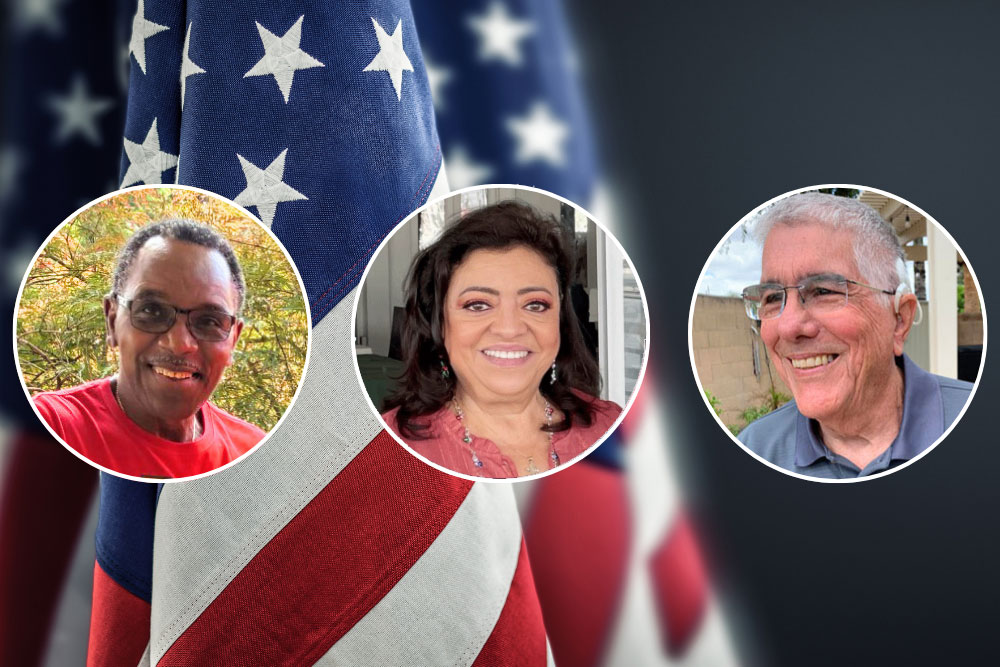
Read the inspiring stories—and advice—of three military veterans with service-connected hearing loss who are HLAA Chapter leaders.
Chapters Hear This! Blog Success Stories
Four members of the HLAA Task Force for Accessible, Inclusive Employment share career insights and workplace strategies for people with hearing loss.
Employment Hear This! Blog Technology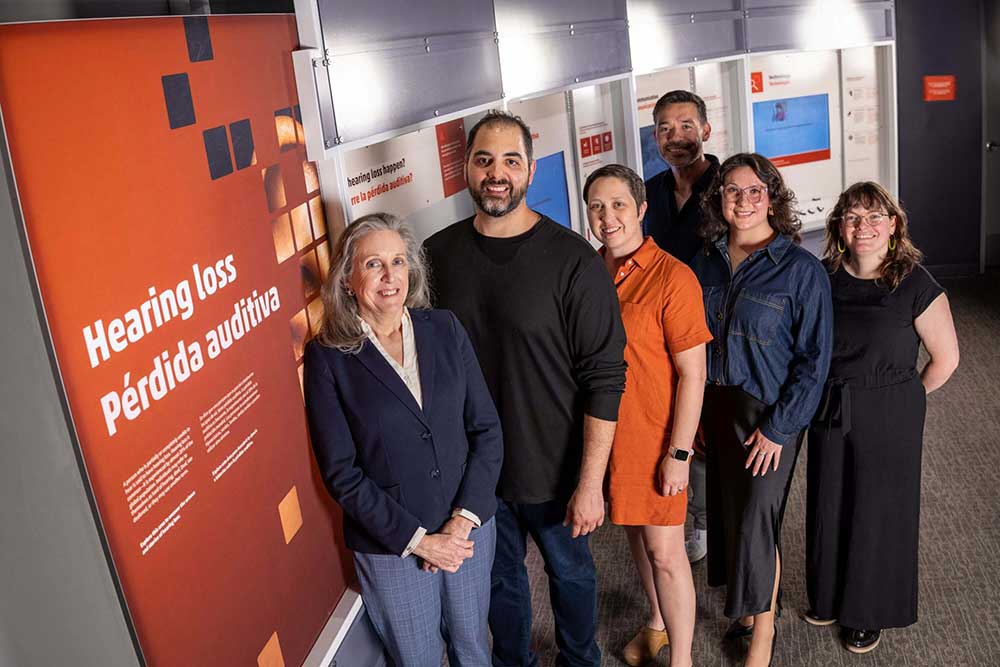
A groundbreaking exhibit on hearing loss at Boston's renowned Museum of Science was developed with involvement from a local HLAA Chapter.
Chapters Hear This! Blog Success Stories
Mobile phone makers have a new FCC deadline to implement Hearing Aid Compatibility (HAC) volume control standards to help people with hearing loss.
Advocacy Hear This! Blog Technology
Helpful back-to-school tips for parents of children with hearing loss from a pediatric audiologist and mom.
Advocacy Education Hear This! Blog
35 years after Americans with Disabilities Act (ADA) passed, the Hearing Loss Association of America (HLAA) is still fighting for access.
Accessible Communication Advocacy Hear This! Blog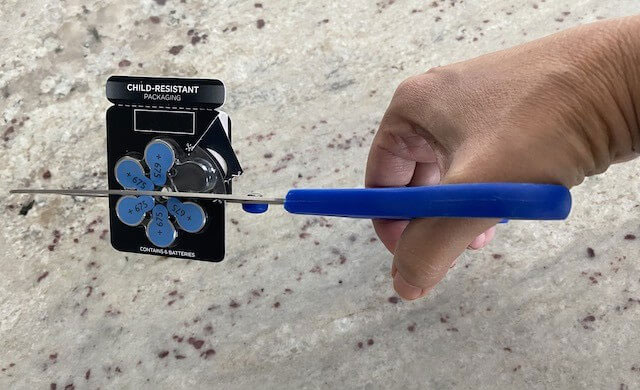
Learn what's behind the new hearing aid battery packaging, why many are frustrated and what you can do to help.
Advocacy Chapters Hear This! Blog Technology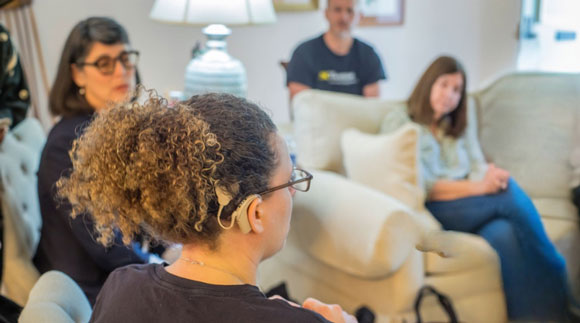
A clinical psychologist explores the wide-ranging effects of hearing loss and how education and self-advocacy can help reduce its psychological impact.
Hear This! Blog Living Well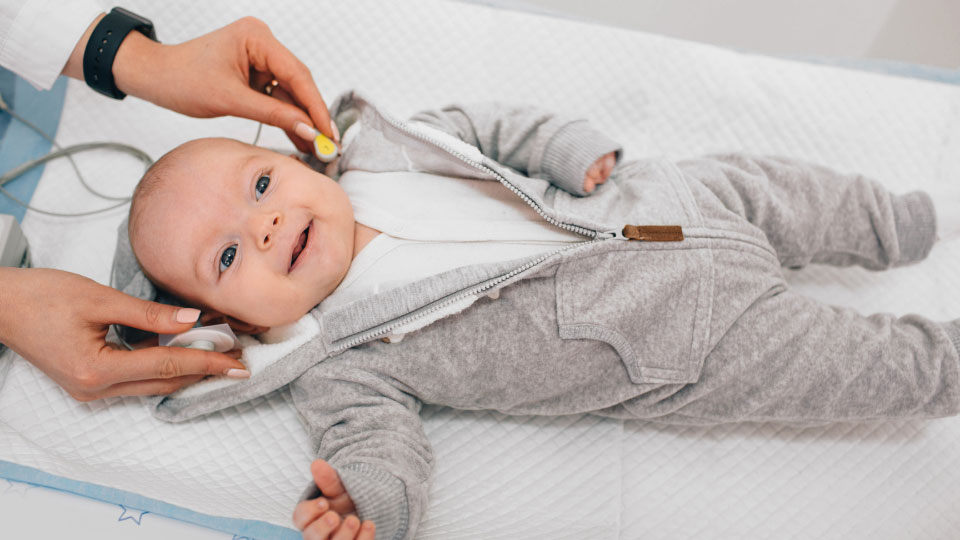
The Early Hearing Detection and Intervention (EHDI) program is in jeopardy from proposed federal budget cuts, putting our nation’s infants at risk. Learn more and take action.
Advocacy Chapters Hear This! Blog
Learn about HLAA's federal advocacy priorities for 2025 and beyond in the midst of many changes in Washington, and how you can take action with our new tool.
Advocacy Hear This! Blog
A look at how the LA wildfires and other disasters impact people with hearing loss, how the HLAA community is responding, plus resources and emergency tips
Chapters Education Hear This! Blog