Veterans Across America Virtual Chapter Meeting

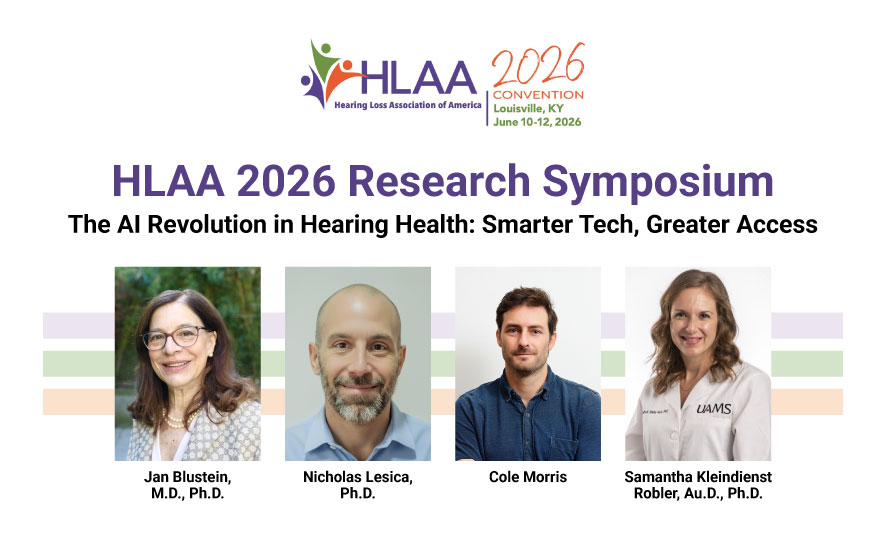
Artificial intelligence (AI) is poised to transform nearly every aspect of hearing health care, from screening and diagnosis to treatment and rehabilitation. Watch a panel of experts provide plain-language explanations of what AI is, how it is addressing the long-standing challenge of understanding speech in noisy environments and the possibilities it opens to improving screening and diagnosis of common causes of hearing loss.
Click here to watch the full recording, or look below for the slides and videos from specific panelists.
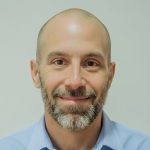 Nicholas Lesica, Ph.D.
Dr. Nicholas Lesica is a bioengineer who studies how the brain encodes external sensory input. He is a professor of neuroengineering in the Ear Institute at University College London (UCL), where his lab studies the neurophysiology of hearing and hearing loss. Dr. Lesica is also co-founder of a biotech start-up, Perceptual Technologies, which is using that research to develop deep learning algorithms that could lead to more advanced and effective hearing aids.
 Cole Morris
Cole Morris is the co-founder and COO of Fortell Research Inc. Over the past five years, Fortell developed a hearing aid that uses custom chip technology and novel AI techniques to improve listening in noise. He was the principal investigator and co-author of Fortell’s first two clinical studies.
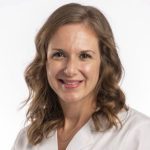 Samantha Kleindienst Robler, Au.D., Ph.D.
Dr. Robler is an audiology clinician scientist who develops novel tools and evidence-based strategies to improve accessibility of hearing healthcare. A nationally recognized expert in telehealth technologies, she studies innovative models of care to increase access in rural and underserved communities. Dr. Robler is an assistant professor at the University of Arkansas for Medical Sciences (UAMS) and associate director of the school’s Center for Hearing Health Access in Little Rock, Arkansas.
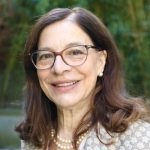 Jan Blustein, M.D., Ph.D.
Dr. Jan Blustein is research professor of medicine and population health at New York University’s Grossman School of Medicine. Her research on hearing loss spans a range of topics, including the way we communicate about disability, and the influence of hearing loss on patient-physician communication. She serves as a professional adviser to HLAA and is also a past member of the HLAA Board of Directors.
Watch the Q&A panel discussion moderated by Dr. Blustein
*The HLAA Research Symposium is supported, in part, by a grant from the National Institute on Deafness and Other Communication Disorders, National Institutes of Health (Award Number R13DC017913).

Watch HLAA Executive Director Barbara Kelley and top hearing care experts discuss evolving technology, key innovations and informed choices in hearing care.
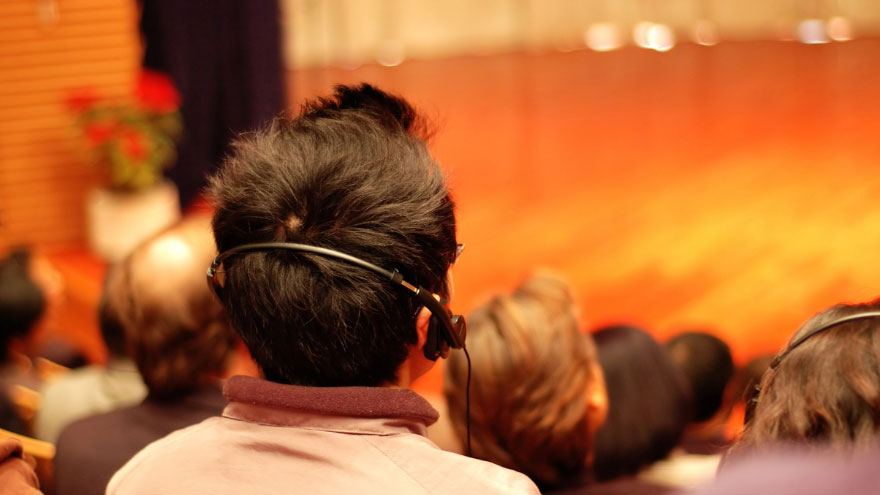
Your feedback matters! Use this form to educate venues and event organizers about whether their assistive listening offerings are effective.

A simple guide for what to do before, during and after an event to make sure you get the best listening experience from an event or venue.

A simple chart explaining which devices can connect to different assistive listening systems.
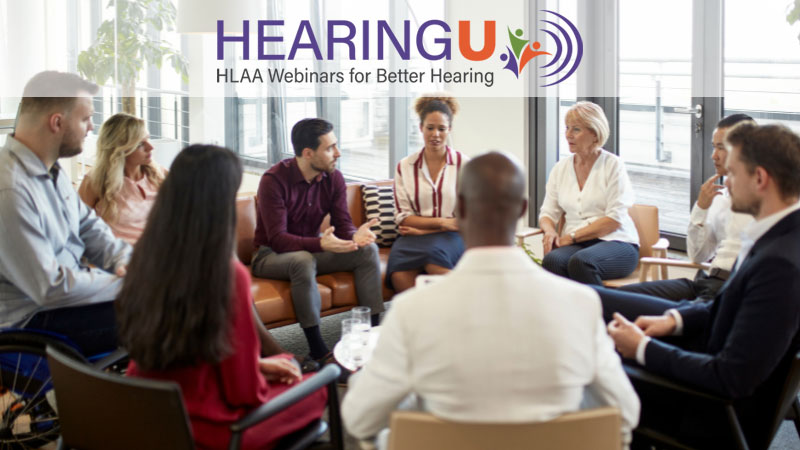
Two behavioral health experts examine how stigma may prevent people with hearing loss from prioritizing their mental health and substance use issues.
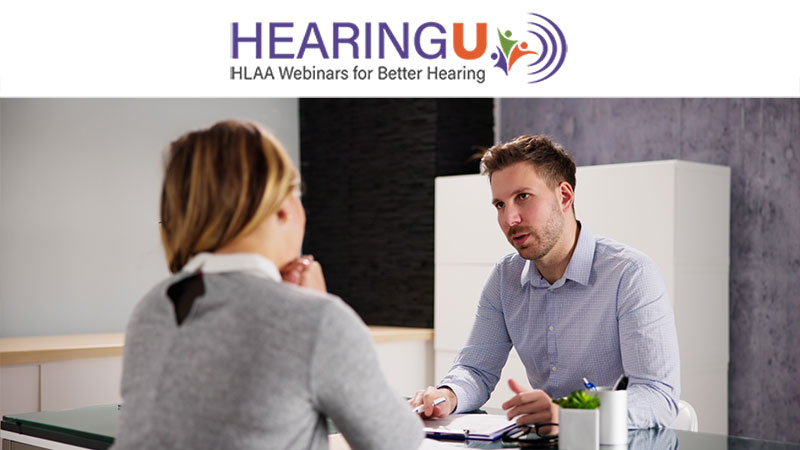
Learn how hearing loss shapes workplace identity, disclosure and tech use—plus insights from HLAA panelists on building inclusive workplaces.

Learn how to create more inclusive workplaces and navigate fast-moving, high-noise environments from our panel of professionals with hearing loss.
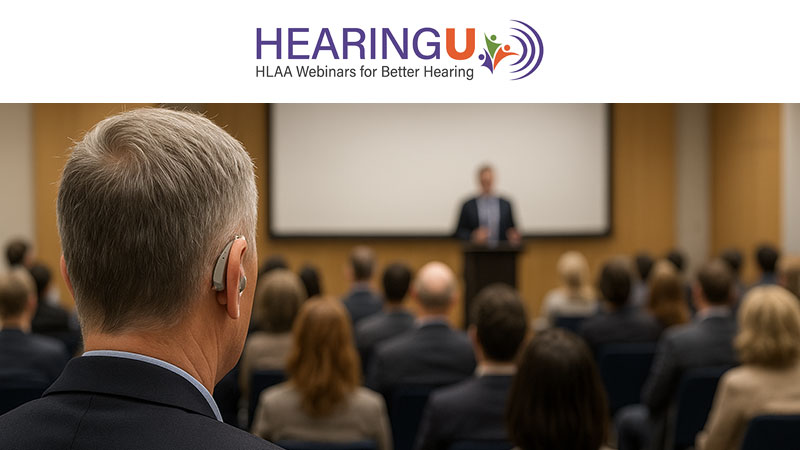
A professional panel discusses how Auracast broadcast audio may impact listening in public spaces and why hearing loops remain essential assistive technology.
A panel of experts explores technology, tips, and tools that empower employees with hearing loss and foster inclusion in the workplace.