2026 Boston Walk4Hearing


The Federal Communications Commission (FCC) has just announced a new deadline for Hearing Aid Compatibility (HAC) volume control standards for mobile phones to come within two years. This is a long-awaited, but important, technical standard for cellphone manufacturers and hearing aid users. The Hearing Loss Association of America (HLAA)—the leading voice for millions with, and at risk of, hearing loss—spearheaded a group of accessibility organizations to push for the new standards. Here’s what this means for consumers.
For people who use hearing aids or cochlear implants, finding a phone that connects easily has historically been a challenge. That’s why HLAA fought for decades to ensure all phones meet basic HAC standards, so they work for all people with hearing loss. Learn more about HLAA’s push for HAC here.
Volume control is not just a convenience but a lifeline for millions of Americans with hearing loss. Whether someone uses a hearing aid or just needs louder, clearer audio, accessible volume control can be a key component to communicating effectively and independently.
The FCC’s rules require all wireless phones to be HAC, but the current technical standard for volume control has proven difficult to implement, and manufacturers needed more time to catch up. Developing the new rules has been a sticking point as technology continues to advance. HLAA stepped in to ensure consumers were protected and delays didn’t continue indefinitely.
To prevent disruption, the FCC extended the temporary volume control standard for two more years. This allows mobile phone makers to keep certifying devices using the current method while everyone works toward fully implementing the new system.
HLAA played a key role in urging the FCC to extend the temporary standard because people with hearing loss shouldn’t lose access to phones they rely on every day. By granting the extension, regulators recognized the importance of keeping communication accessible while the industry transitions to stronger rules.
HLAA and the other accessibility organizations also urged the FCC to require regular progress reports for transparency, and to limit the extension to two years.
The new standard is expected by 2027, paving the way for stronger, more consistent volume control requirements. HLAA will stay involved to ensure that the updated rules meet the needs of people with hearing loss. This is a win for accessibility, but continued advocacy is needed to make sure consumers are protected and further delays are avoided.
Cellphones are more than just devices—they’re how we stay in touch with family, connect to work and participate in everyday life. HLAA is committed to ensuring that technology keeps people with hearing loss connected, not left behind.
Stay informed by keeping in touch with HLAA—see all of our current advocacy efforts here, and make sure you’re signed up to receive the latest e-news.

This article was written by Neil Snyder, director of public policy, Hearing Loss Association of America (HLAA). He can be reached with questions at advocacy@hearingloss.org.
Enjoyed this post? Never miss out on future posts by following us.
HLAA regularly hosts webinars on a variety of hearing wellness topics. View the upcoming schedule or watch a previous video.



If you or someone you know has a hearing loss, visit hearingloss.org for resources.
Find a local chapter or Walk4Hearing near you.
For questions, contact HLAA at inquiries@hearingloss.org.
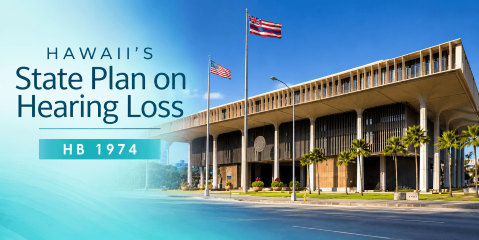
A new law in Hawaii will lead to the development of a State Plan on Hearing Loss to address vital hearing healthcare needs and close service gaps.
Advocacy Chapters Hear This! Blog
Learn how to report missing, inaccurate or out of sync television captions with the Federal Communications Commission (FCC).
Accessible Communication Advocacy Hear This! Blog
Discover how Title III of the ADA ensures equal access and effective communication through assistive listening systems in places of public accommodation.
Accessible Communication Advocacy Hear This! Blog
Virginia’s new law requires movie theaters to offer open-captioned screenings, making cinema more accessible for viewers with hearing loss.
Advocacy Hear This! Blog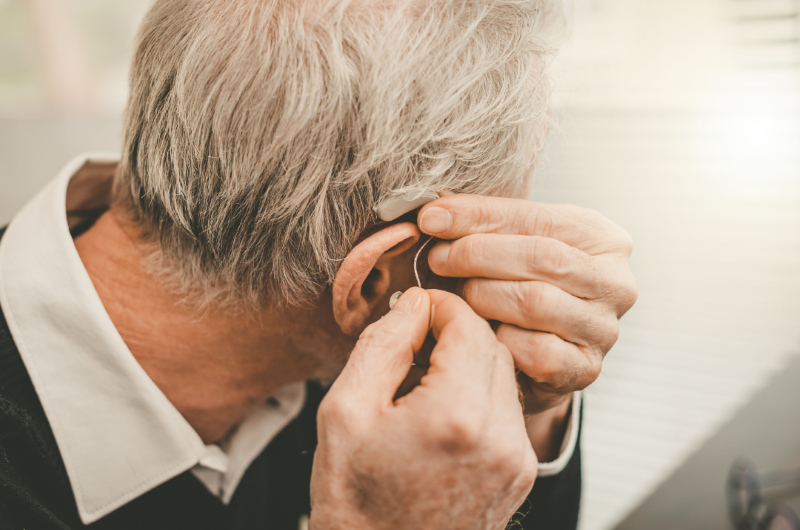
A prominent battery manufacturer makes an important, senior-friendly accessibility update to its hearing aid battery packaging.
Advocacy Hear This! Blog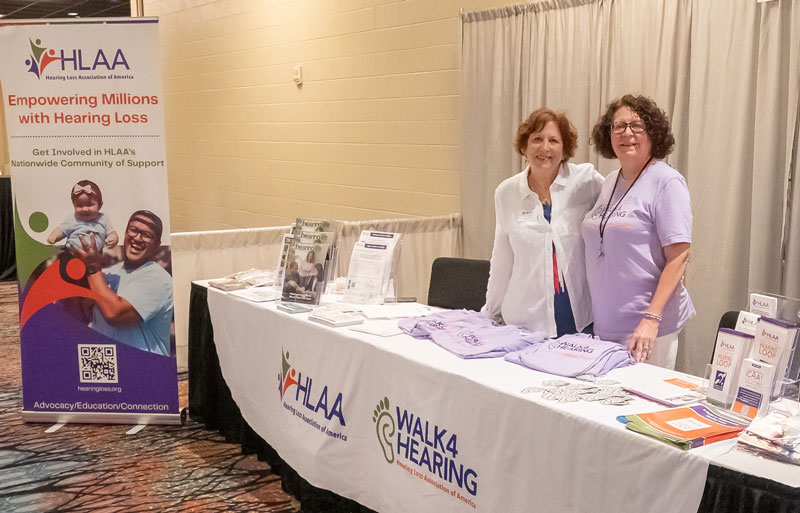
After delaying eight years to treat her hearing loss with a cochlear implant, Teri wishes she had done it sooner; read HLAA's third inspiring CI Day story.
Chapters Hear This! Blog Success Stories
Qais Khan is a passionate advocate for young adult cochlear implant recipients—read the second of HLAA's three inspiring stories for CI Day.
Advocacy Hear This! Blog Success Stories
Read about Doni, a young cochlear implant recipient, and his family in the first of three inspiring stories for International Cochlear Implant Day.
Hear This! Blog Success Stories
Flying for the holidays with hearing loss? Check out our 8 essential travel tips, advocate for your rights and learn a new way to file complaints.
Advocacy Hear This! Blog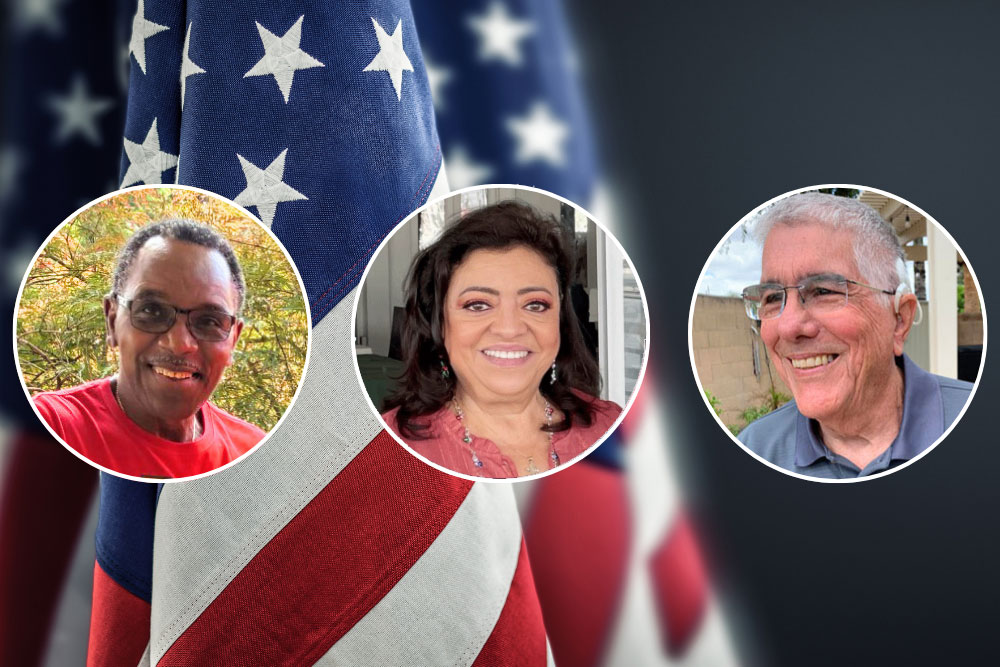
Read the inspiring stories—and advice—of three military veterans with service-connected hearing loss who are HLAA Chapter leaders.
Chapters Hear This! Blog Success Stories
Four members of the HLAA Task Force for Accessible, Inclusive Employment share career insights and workplace strategies for people with hearing loss.
Employment Hear This! Blog Technology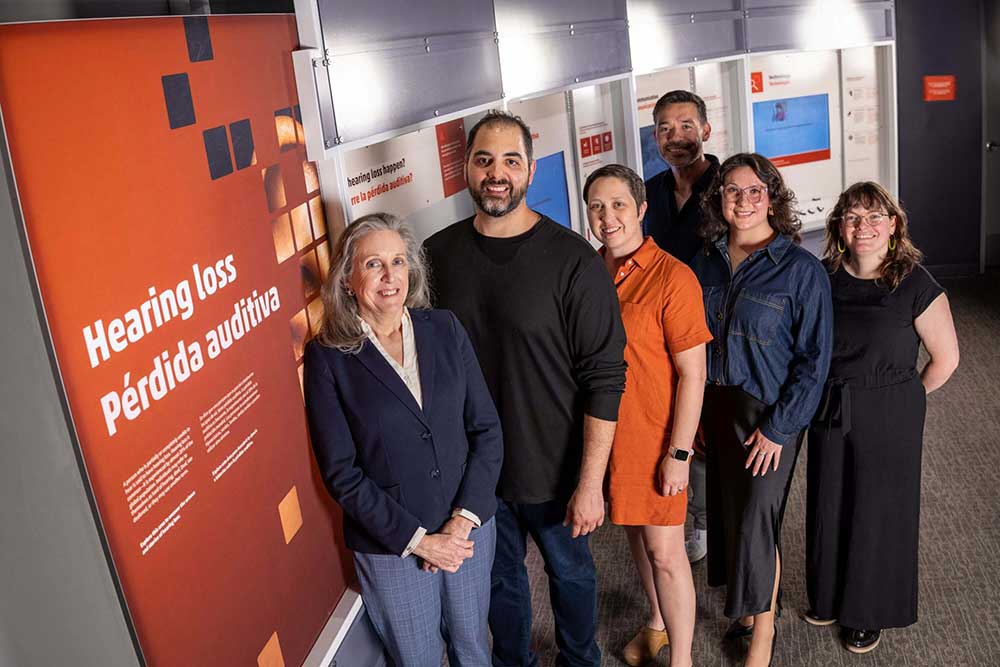
A groundbreaking exhibit on hearing loss at Boston's renowned Museum of Science was developed with involvement from a local HLAA Chapter.
Chapters Hear This! Blog Success Stories