2026 Washington DC Walk4Hearing


The Americans with Disabilities Act (ADA) is a federal law enacted in 1990 that protects the civil rights of people with disabilities, including people with hearing loss. It establishes broad requirements to combat discrimination in employment and ensure greater access by all to goods, services and public places.
The ADA is organized into five titles (a public policy term for sections). One of these, Title III, applies to private businesses and organizations that are open to the public, where people gather or receive goods and services. The U.S. Department of Justice (DOJ) is the primary federal agency responsible for issuing regulations that explain how Title III applies in different situations. It is also the primary agency responsible for enforcing these requirements.
Businesses and organizations covered under Title III must provide effective communication. This means people with disabilities must be able to access information and experiences on an equal basis with others. For people with hearing loss, this means communication must be as clear and usable as communication with people without hearing loss.
 Effective communication depends in part on what tools or supports people with hearing loss may need. For example, a Deaf person may require a qualified sign language interpreter to provide effective communication. By contrast, a person with hearing loss who relies on hearing aids might need assistive listening technology to access sound in a venue. The ADA uses the term “auxiliary aids and services” to describe tools and supports like qualified sign language interpreters, real-time captioning and assistive listening systems (ALS).
In venues with assembly areas that use an audio amplification system, such as a house sound system or public address (PA) system, ensuring effective communication often requires providing an assistive listening system. This helps people with hearing loss access spoken communication and other audio content of performances, presentations, or guided programs. For example, a concert hall must provide a way for audience members with hearing loss to fully experience the performance.
ALS are technologies that transmit audio directly from the sound source to the listener. They reduce many of the listening challenges caused by distance, background noise, and reverberation in public spaces. These systems typically include transmitters and receivers. The receivers, either built into the hearing device or provided separately with compatible accessories, deliver sound directly to the listener, helping people with hearing loss hear more clearly and reducing listening effort.
Examples of assistive listening systems:
Venues should become familiar with the communication supports, including assistive listening systems, that their audiences are likely to need. However, these venues do not have to provide every possible type of auxiliary aid or service in every situation, nor are they required to use one specific technology to provide effective communication. Instead, they must choose appropriate solutions for their audiences and facilities. For assistive listening, they should provide a sufficient number of devices based on the venue’s size, the space’s characteristics, and the nature of the programs or services offered. (The ADA does establish a minimum number of devices required based on seating capacity.)
When planning and providing ALS, venues should consider a range of factors, including:
The importance of staff training and communication about availability of an ALS should not be overlooked. Even the best assistive listening system is of little value if patrons are unaware it exists or staff cannot help them use it.
The ADA was written with a focus on effective communication and accessibility, rather than specific technologies. This allows the law to accommodate technology changes over time. It also helps venues meet their accessibility requirements using assistive listening system technologies created after the ADA became law. Regardless of the technology used, the expectation remains the same: the system must deliver effective communication and provide people with hearing loss access to audio content on an equal basis with others.
For people with hearing loss, ALS can make a real difference in how public spaces are experienced. They are a key part of ensuring effective communication under the ADA. Understanding how the ADA supports effective communication through assistive listening systems can help people with hearing loss recognize their rights and advocate for the support they need.
This post was a collaboration between Kyla Plutte, Mary Elizabeth Barrow and Sarah Hanson, student attorneys at the Samuelson Glushko Technology Law and Policy Clinic at the University of Colorado Law School. The clinic is directed by Vivek Krishnamurthy, associate professor of law at the University of Colorado Law School.
Enjoyed this post? Never miss out on future posts by following us.
HLAA regularly hosts webinars on a variety of hearing wellness topics. View the upcoming schedule or watch a previous video.



If you or someone you know has a hearing loss, visit hearingloss.org for resources.
Find a local chapter or Walk4Hearing near you.
For questions, contact HLAA at inquiries@hearingloss.org.
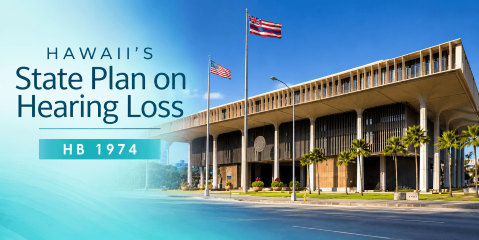
A new law in Hawaii will lead to the development of a State Plan on Hearing Loss to address vital hearing healthcare needs and close service gaps.
Advocacy Chapters Hear This! Blog
Learn how to report missing, inaccurate or out of sync television captions with the Federal Communications Commission (FCC).
Accessible Communication Advocacy Hear This! Blog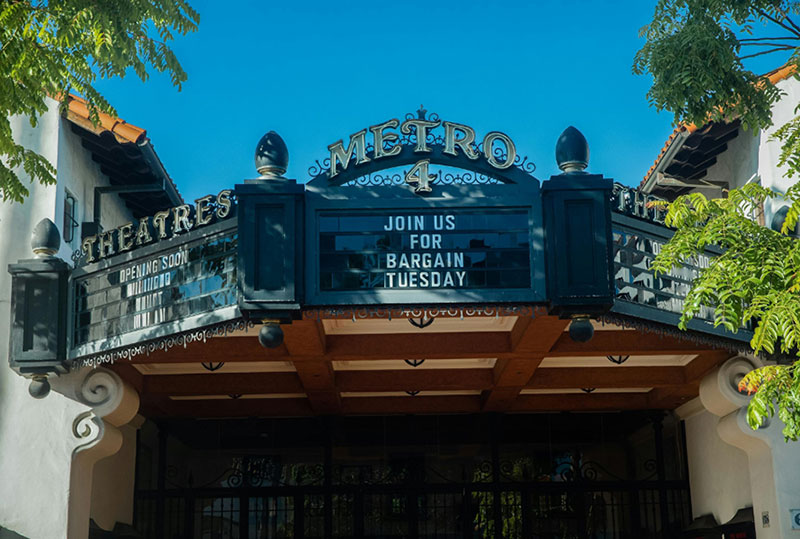
Virginia’s new law requires movie theaters to offer open-captioned screenings, making cinema more accessible for viewers with hearing loss.
Advocacy Hear This! Blog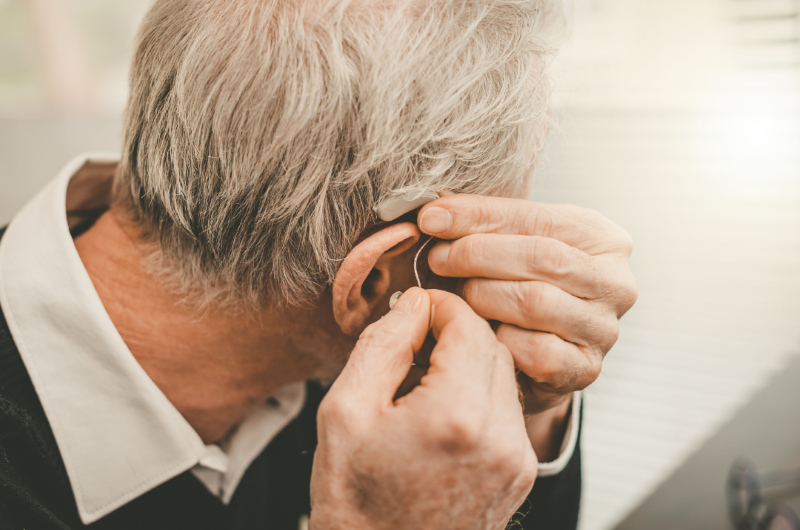
A prominent battery manufacturer makes an important, senior-friendly accessibility update to its hearing aid battery packaging.
Advocacy Hear This! Blog
After delaying eight years to treat her hearing loss with a cochlear implant, Teri wishes she had done it sooner; read HLAA's third inspiring CI Day story.
Chapters Hear This! Blog Success Stories
Qais Khan is a passionate advocate for young adult cochlear implant recipients—read the second of HLAA's three inspiring stories for CI Day.
Advocacy Hear This! Blog Success Stories
Read about Doni, a young cochlear implant recipient, and his family in the first of three inspiring stories for International Cochlear Implant Day.
Hear This! Blog Success Stories
Flying for the holidays with hearing loss? Check out our 8 essential travel tips, advocate for your rights and learn a new way to file complaints.
Advocacy Hear This! Blog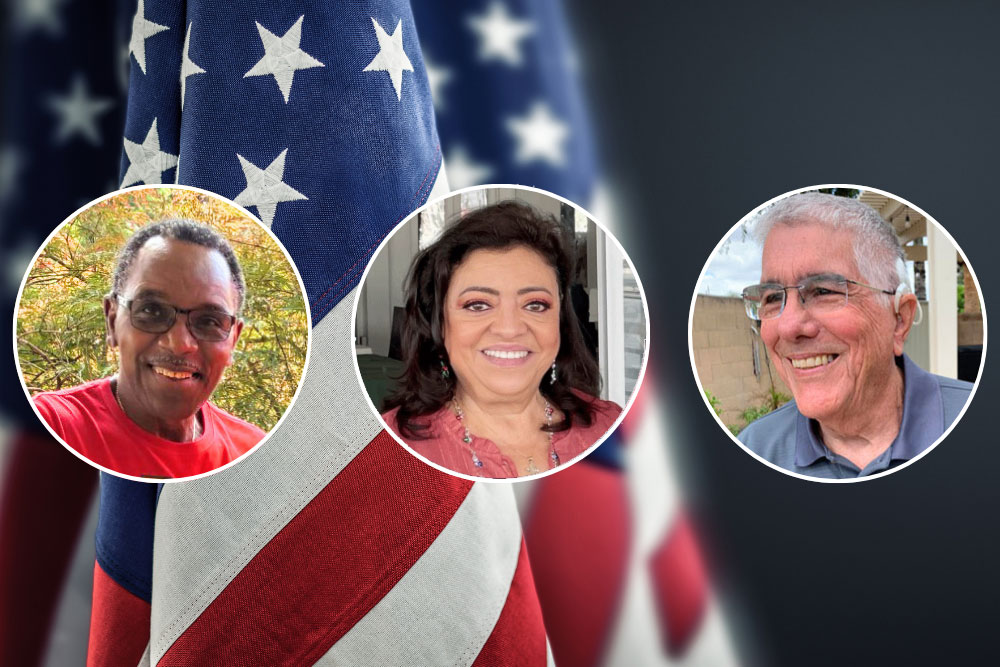
Read the inspiring stories—and advice—of three military veterans with service-connected hearing loss who are HLAA Chapter leaders.
Chapters Hear This! Blog Success Stories
Four members of the HLAA Task Force for Accessible, Inclusive Employment share career insights and workplace strategies for people with hearing loss.
Employment Hear This! Blog Technology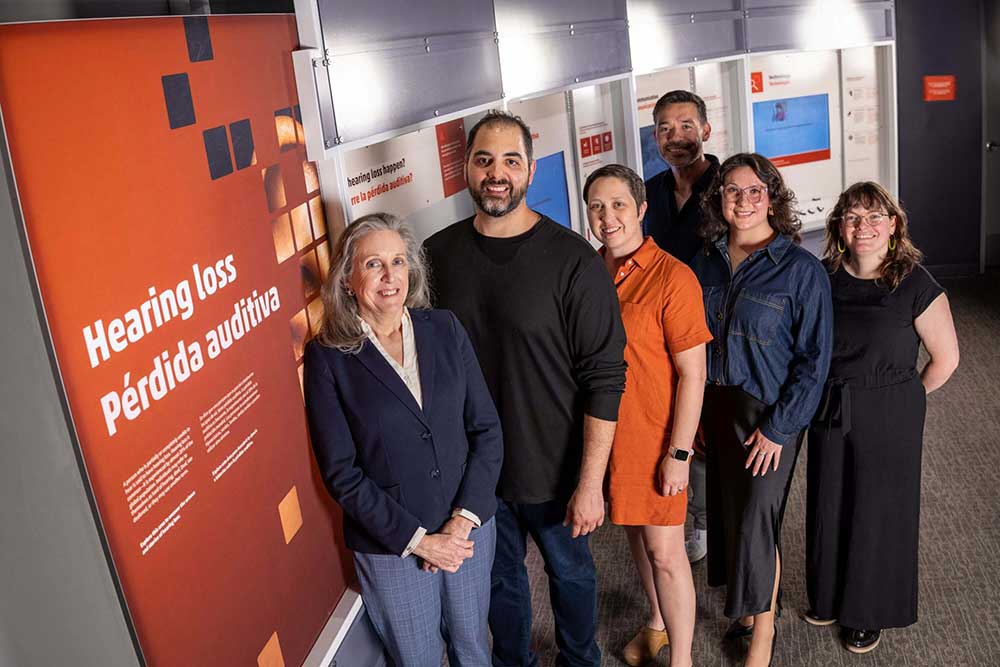
A groundbreaking exhibit on hearing loss at Boston's renowned Museum of Science was developed with involvement from a local HLAA Chapter.
Chapters Hear This! Blog Success Stories
Mobile phone makers have a new FCC deadline to implement Hearing Aid Compatibility (HAC) volume control standards to help people with hearing loss.
Advocacy Hear This! Blog Technology