2026 New Jersey Walk4Hearing

Hearing loss isn’t just an issue about communication. It affects education, employment, healthy aging, social connection, cognitive health and overall quality of life. That’s why Hawaii’s HB 1974 (C.D. 1), signed into law on July 10, 2026, is a meaningful and practical move for the state.
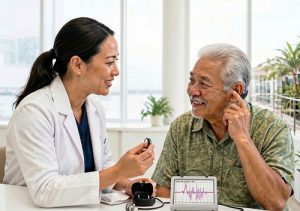 This new bill was strongly advocated for by members of HLAA and others in the hearing loss community. It directs the Hawaii State Health Planning and Development Agency (SHPDA) to create a comprehensive State Plan on Hearing Loss—a foundational blueprint to help stakeholders better understand and assess needs, close service gaps and strengthen access to hearing care statewide.
HB1974 requires SHPDA to develop and publish a statewide plan focused on improving hearing healthcare access and affordability, increasing awareness, expanding workforce capacity and prioritizing early detection and intervention, treatment options and long-term outcomes for people with hearing loss from infants to older adults. Although it does not instantly solve every barrier to hearing care, the Hawaii State Plan will create a shared roadmap for future initiatives that strengthen the state’s approach to hearing health services.
 The bill appropriates $100,000 in general funds for FY 2026–2027 to support SHPDA’s work to develop and publish the plan. Funds may be used for project management and interagency collaboration, statewide stakeholder engagement, consulting subject matter experts and drafting, reviewing and publishing the final plan.
What’s especially significant is that this bill creates a framework for ongoing planning, implementation and accountability. The state will be required to provide progress updates and recommendations every odd-numbered legislative session, ensuring that hearing health remains part of Hawaii’s long-term policy discussions. This is a major step toward making hearing health a recognized public health priority.
For years, adults and children with hearing loss in Hawaii have faced many challenges, such as delayed diagnosis, lack of follow-up, difficulty finding services, high costs for hearing aids and assistive technology, limited public awareness, workforce shortages and a hard-to-navigate healthcare system. While many organizations and providers have been doing important work, there has never been a coordinated statewide effort to identify the gaps and develop a long-term strategy for improving hearing health.
 HB1974 changes that. Led by the SHPDA, the planning process will bring together healthcare providers, educators, government agencies, community organizations and individuals with lived experience to identify priorities and recommend solutions. A draft plan will in turn guide those recommendations into meaningful action, such as:
People in the Hawaii hearing loss community began conversations with key legislators about the need for a statewide hearing health strategy. The Hawaii Kupuna Caucus, a bipartisan group of legislators focused on issues affecting older adults, selected HB1974 as one of its priority bills for the legislative session, which helped elevate awareness and support for the issue.
Riding on the momentum, the community united around its common goal to move the bill forward. Members of the HLAA HOPE support group, together with audiologists, ENT physicians, speech and hearing professionals, caregivers and numerous community organizations, submitted testimony and advocated throughout the House and Senate process.
Mahalo (thank you) to everyone who testified, shared their stories and helped make this historic achievement possible.
With this legislation, Hawaii joins five other states that already have similar statewide planning efforts—including Nevada, Minnesota, Massachusetts, Vermont and New York—which served as models for HB 1974.
One of the most important aspects of this effort is that it puts people with lived experience at the center of the conversation—individuals and families who navigate hearing loss every day. Their experiences will help shape the recommendations and priorities moving forward, along with community stakeholders—including healthcare providers, educators, government agencies and local organizations.
The planning process is now underway, with a draft plan expected by the end of 2026. From there, the focus will shift to implementing action that address the identified needs and goals. This is only the beginning and we’re excited for what’s ahead!

Tori Carapelho has played an integral role in the introduction, passage and execution of HB1974 (C.D. 1). She is an HLAA Board Member, president of the HLAA Hawaii HOPE Group and founder of Hear4Hope, a nonprofit organization supporting people with hearing loss. Tori experienced sudden hearing loss in 2021, midway through her career in marketing, healthcare and leadership. She can be reached at tori@hear4hope.org.
Enjoyed this post? Never miss out on future posts by following us.
HLAA regularly hosts webinars on a variety of hearing wellness topics. View the upcoming schedule or watch a previous video.



If you or someone you know has a hearing loss, visit hearingloss.org for resources.
Find a local chapter or Walk4Hearing near you.
For questions, contact HLAA at inquiries@hearingloss.org.

Learn how to report missing, inaccurate or out of sync television captions with the Federal Communications Commission (FCC).
Accessible Communication Advocacy Hear This! Blog
Discover how Title III of the ADA ensures equal access and effective communication through assistive listening systems in places of public accommodation.
Accessible Communication Advocacy Hear This! Blog
Virginia’s new law requires movie theaters to offer open-captioned screenings, making cinema more accessible for viewers with hearing loss.
Advocacy Hear This! Blog
A prominent battery manufacturer makes an important, senior-friendly accessibility update to its hearing aid battery packaging.
Advocacy Hear This! Blog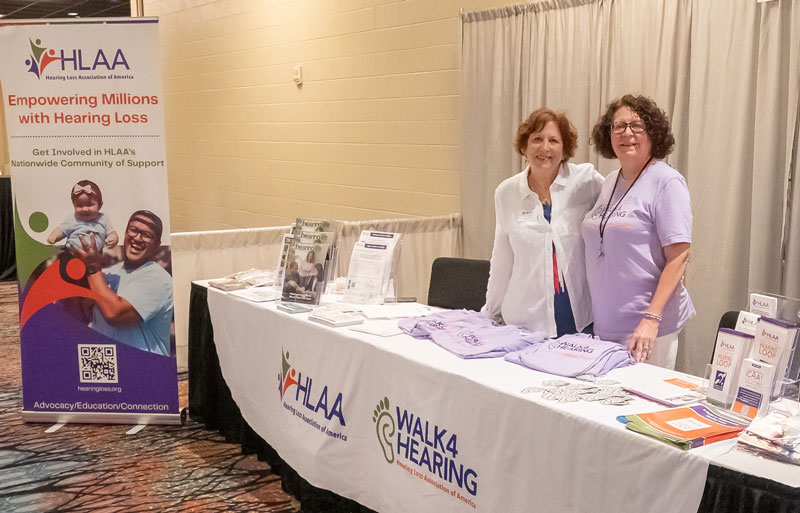
After delaying eight years to treat her hearing loss with a cochlear implant, Teri wishes she had done it sooner; read HLAA's third inspiring CI Day story.
Chapters Hear This! Blog Success Stories
Qais Khan is a passionate advocate for young adult cochlear implant recipients—read the second of HLAA's three inspiring stories for CI Day.
Advocacy Hear This! Blog Success Stories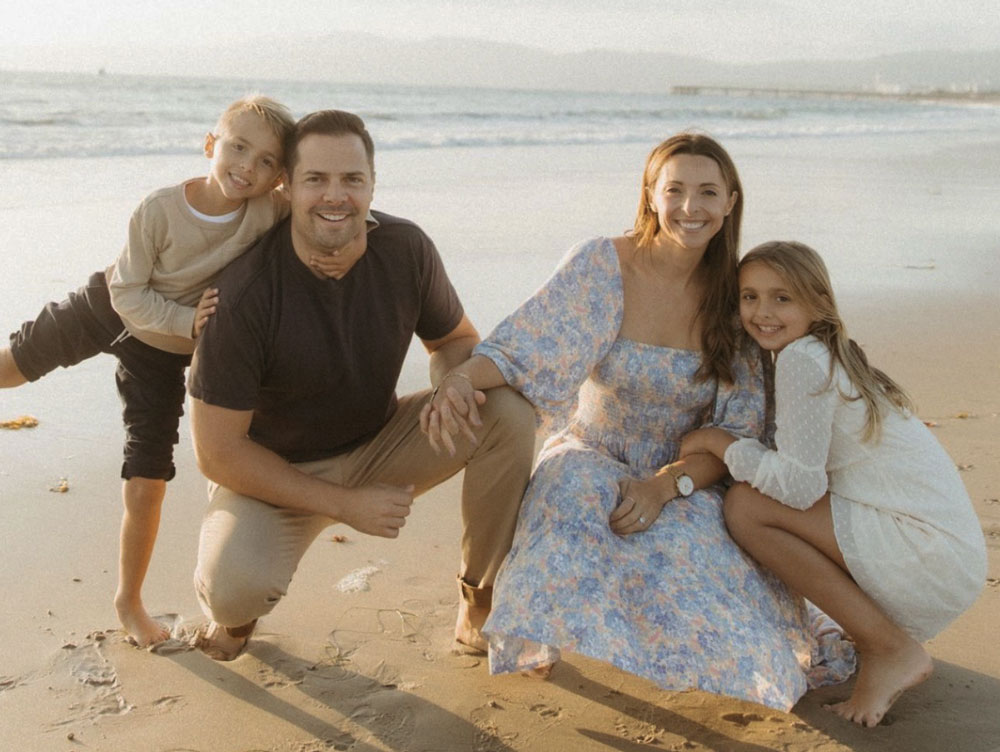
Read about Doni, a young cochlear implant recipient, and his family in the first of three inspiring stories for International Cochlear Implant Day.
Hear This! Blog Success Stories
Flying for the holidays with hearing loss? Check out our 8 essential travel tips, advocate for your rights and learn a new way to file complaints.
Advocacy Hear This! Blog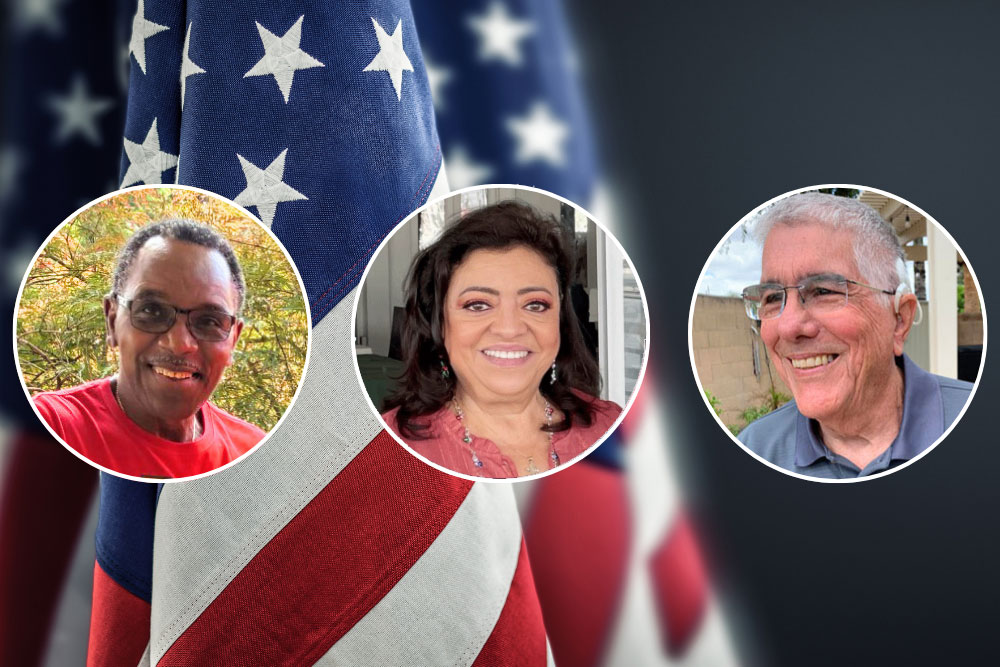
Read the inspiring stories—and advice—of three military veterans with service-connected hearing loss who are HLAA Chapter leaders.
Chapters Hear This! Blog Success Stories
Four members of the HLAA Task Force for Accessible, Inclusive Employment share career insights and workplace strategies for people with hearing loss.
Employment Hear This! Blog Technology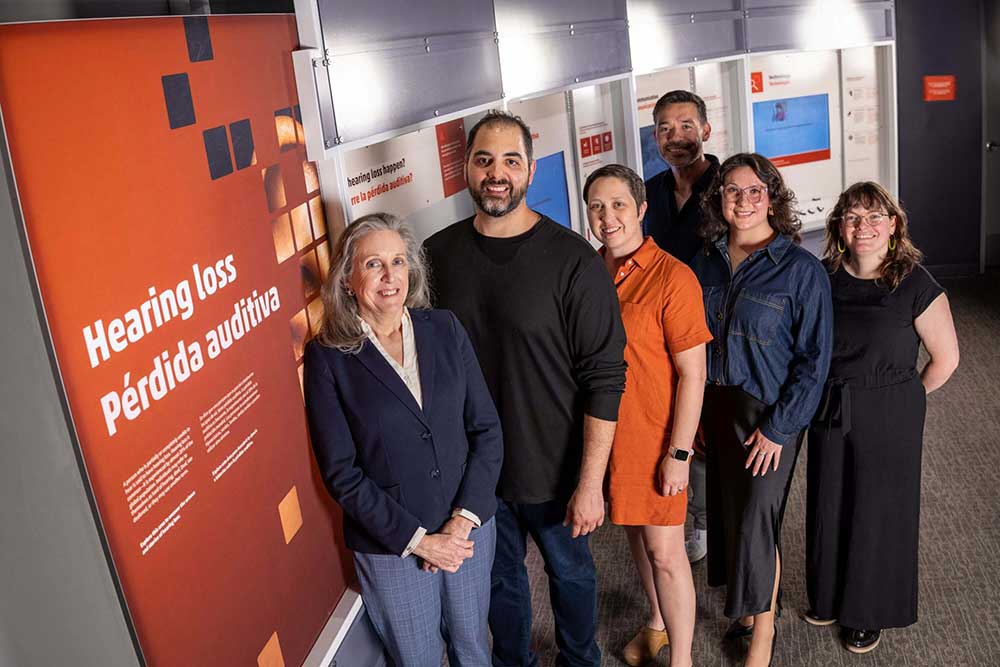
A groundbreaking exhibit on hearing loss at Boston's renowned Museum of Science was developed with involvement from a local HLAA Chapter.
Chapters Hear This! Blog Success Stories
Mobile phone makers have a new FCC deadline to implement Hearing Aid Compatibility (HAC) volume control standards to help people with hearing loss.
Advocacy Hear This! Blog Technology